My Story
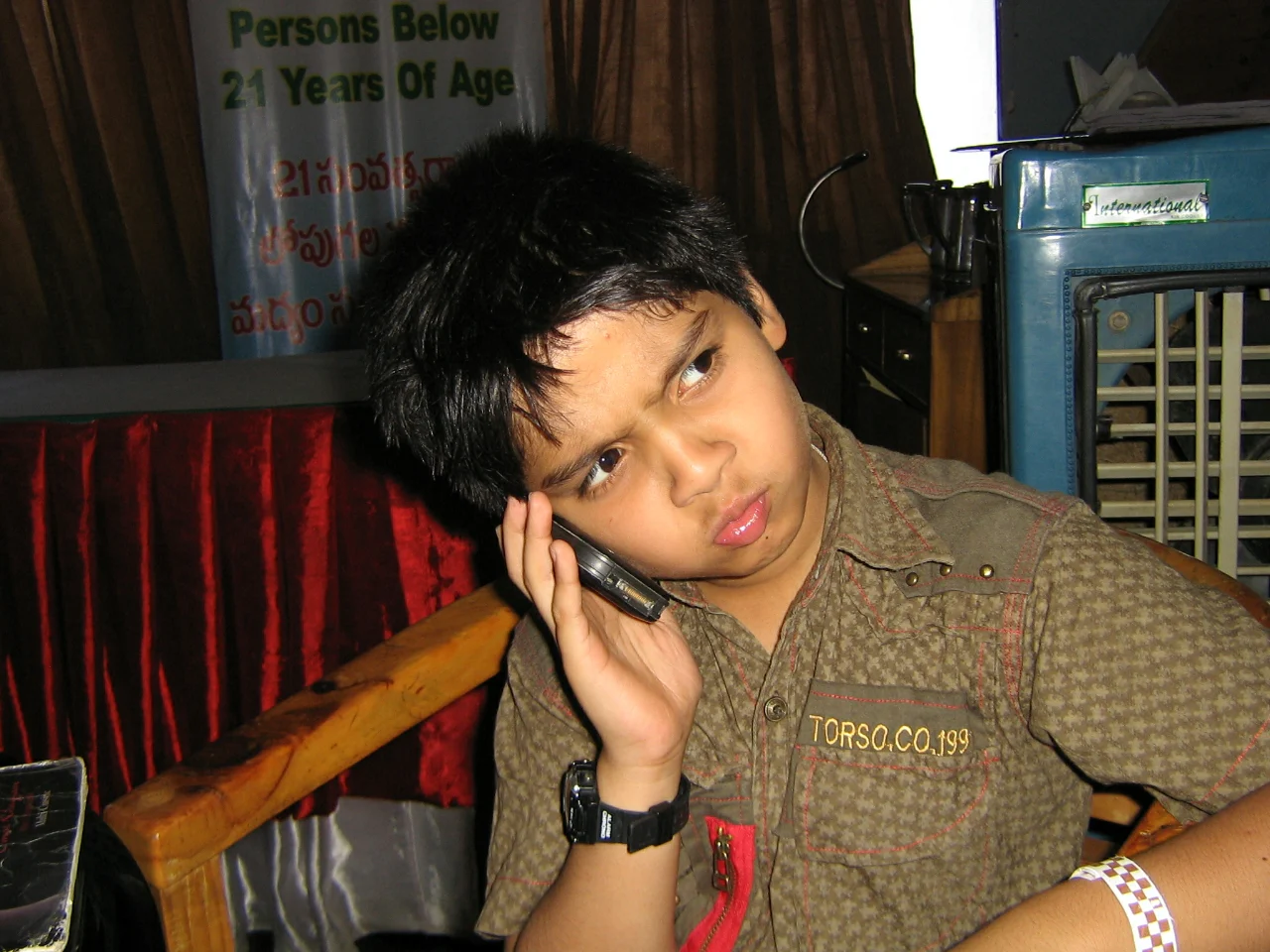
When I was a kid, half the fun of playing GTA Vice City on my Pentium 4 was making a change to the game, loading it again, and seeing what happened. I still recognise that feeling when I run an experiment or try out a piece of software I’ve just built.
I’m BHVSP Subrahmanyam. In 2012 I started posting game and phone tutorials on STPHD. Editing those videos led to freelance work in college. I began building astrology software when people brought questions to my consultations that I wanted to explore with a chart.


01Childhood
Curiosity started early
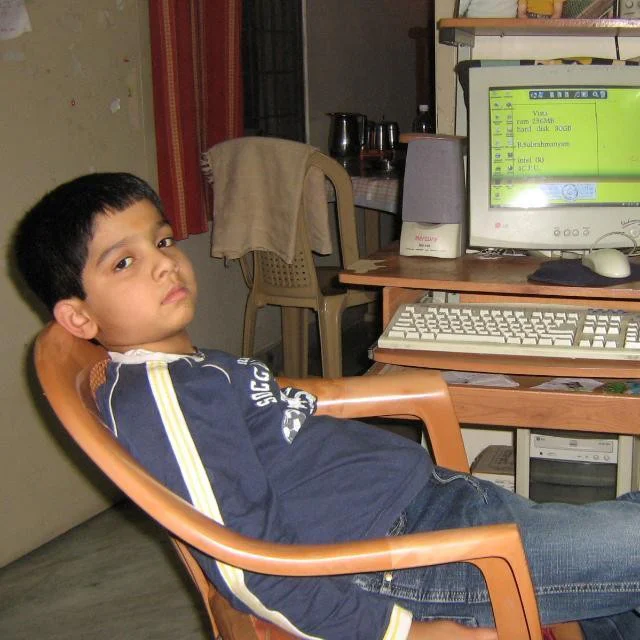
I eventually upgraded that desktop to a Core 2 Duo. When I wasn’t playing games, I spent hours exploring websites, following links just to see where they’d take me.
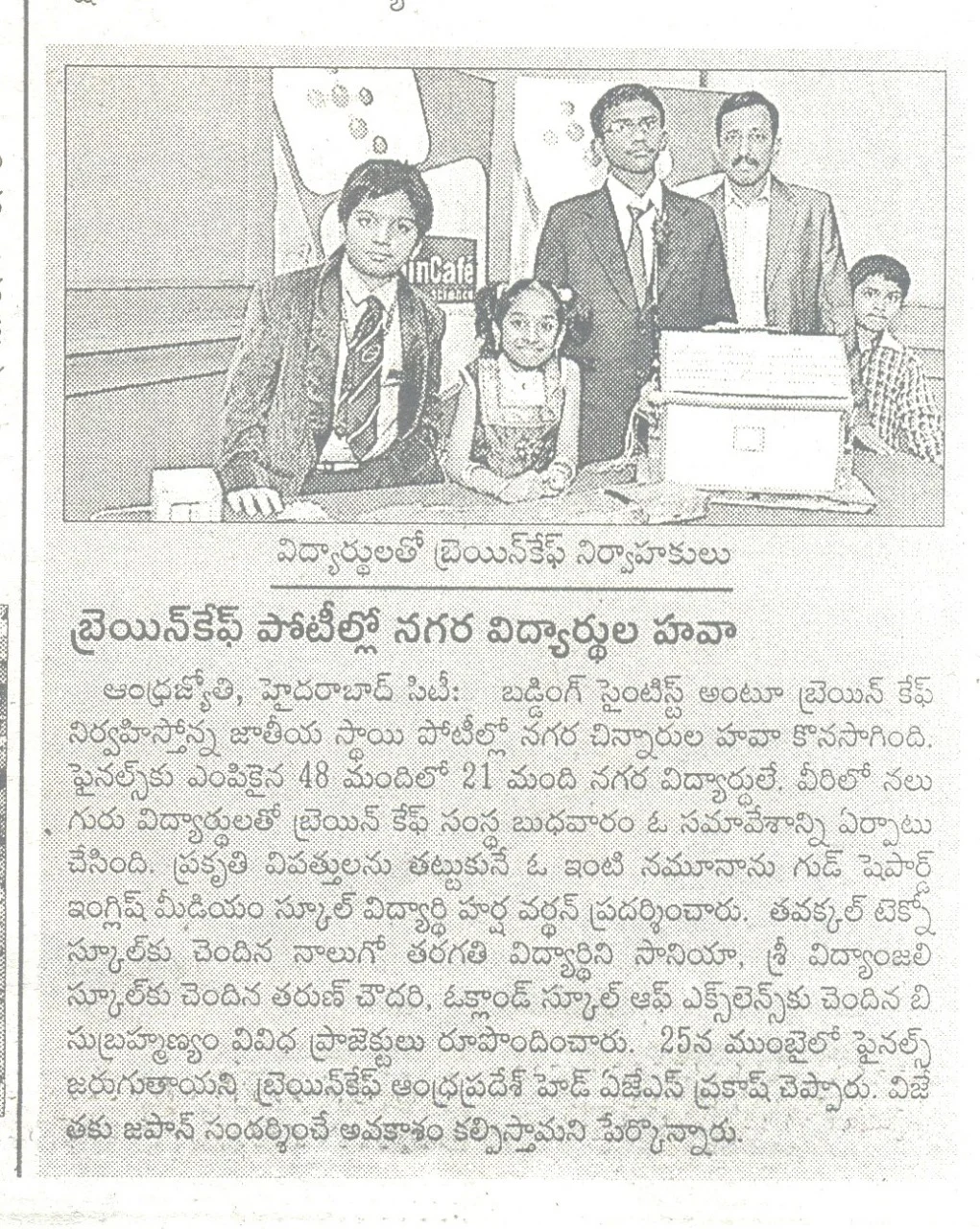
At school, science and maths were my strongest subjects, and my teachers encouraged me to enter Zee Learn’s BrainCafe Budding Scientist Contest 2010. My father was a vice president at a solar energy company. His work inspired the renewable energy idea that took me to the national round.
I loved figuring out what computers could do. I was still a kid when I decided I wanted to become a computer scientist, years before I understood how people made a living in technology.
02STPHD
Explaining technology through STPHD
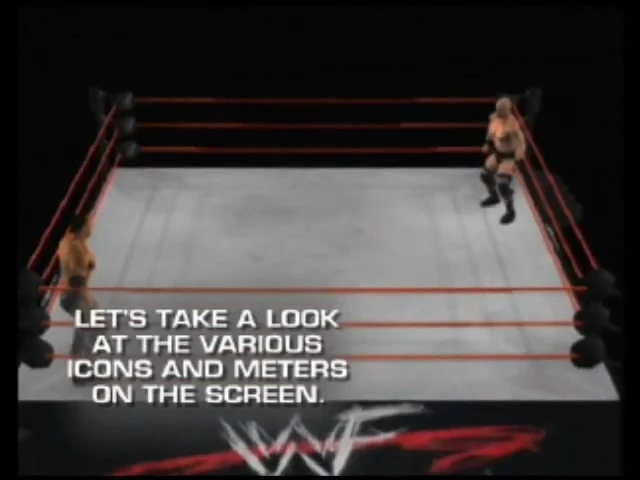
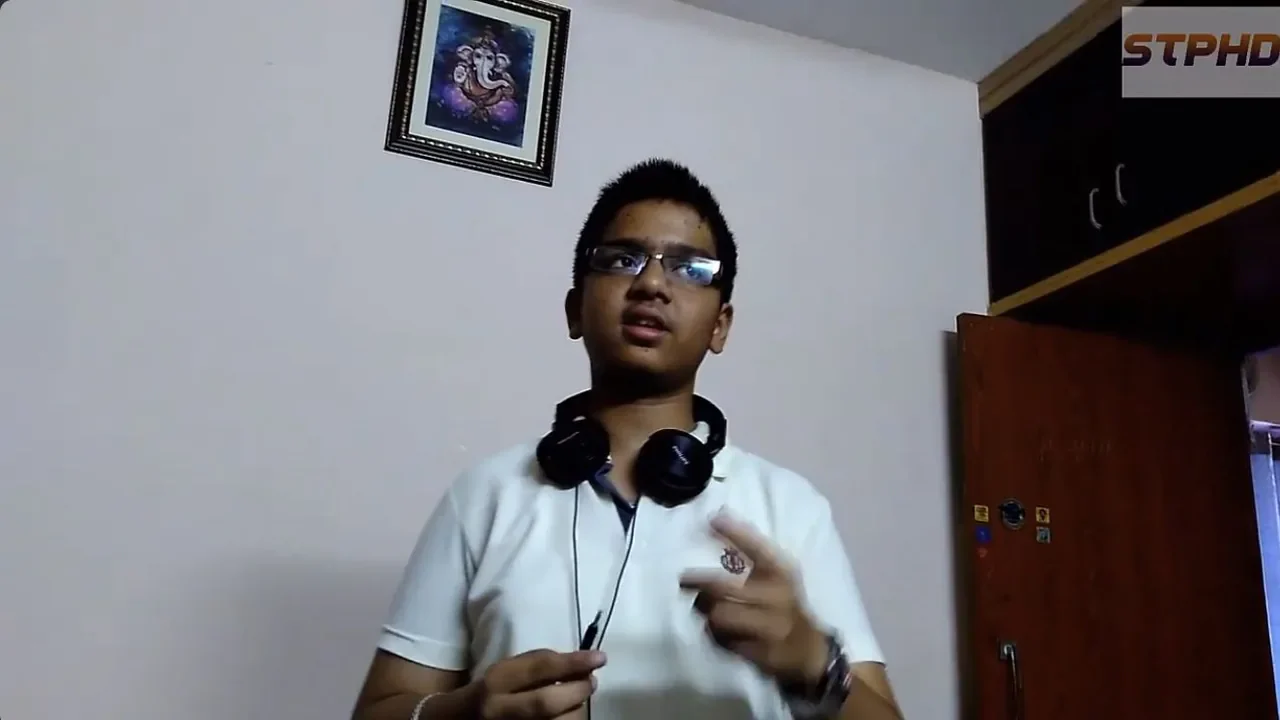
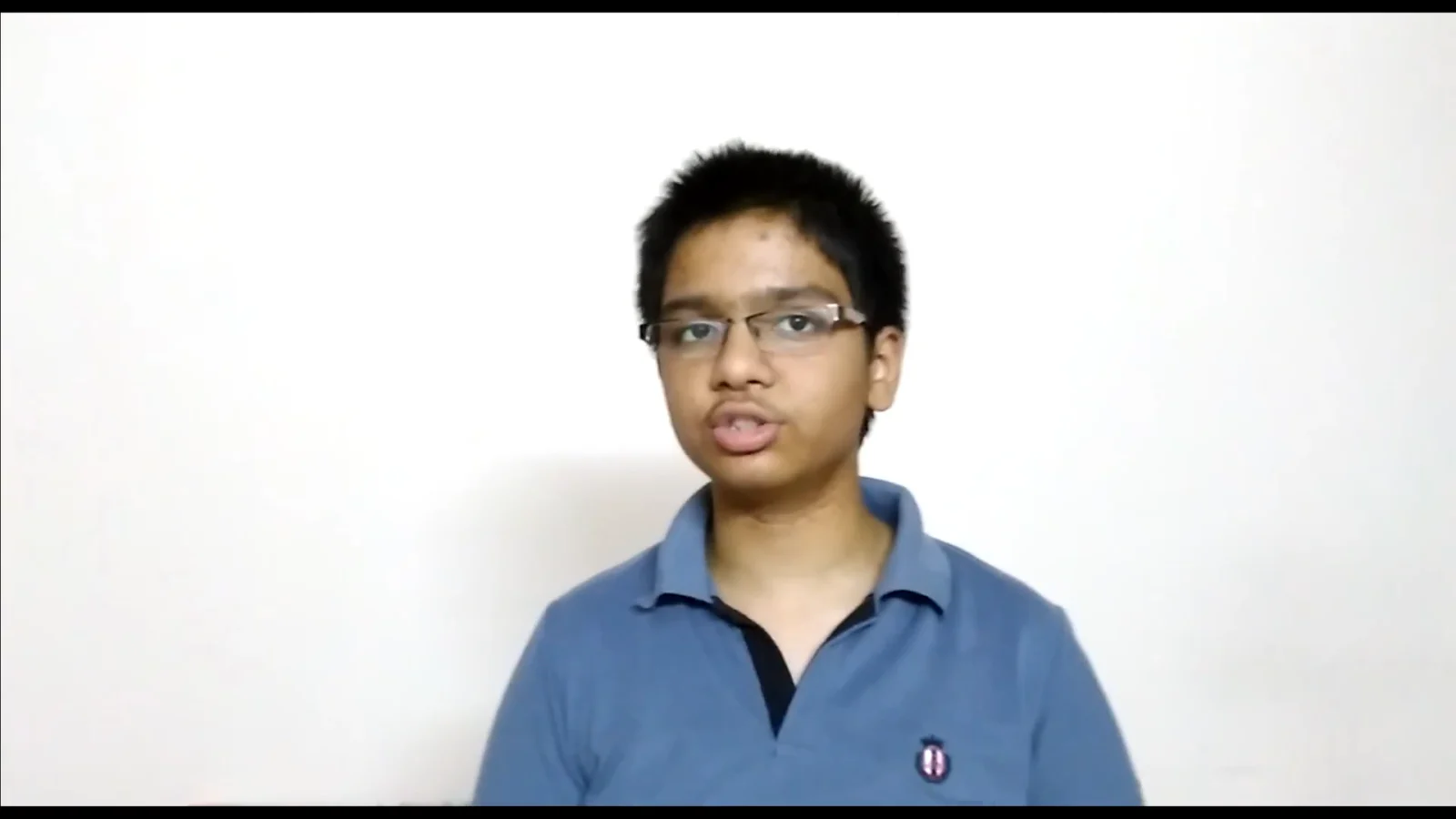
Some of my school friends bought their own copies of WWE Raw after playing it at my house. When they asked me to show them how to play, I figured I could make one video they could all watch. YouTube felt like the coolest place to put it, so I posted it there in 2012. I called the channel STPHD, a nod to MKBHD.
I was as obsessed with phones as I was with modding games. I wanted to know Android and iOS inside out. I made kernel mods and flashed custom ROMs on my Android phone, then reviewed both on STPHD to show how different the same phone could feel. When I figured out how to get my Yureka to charge faster, I made a walkthrough so other people could try it too.
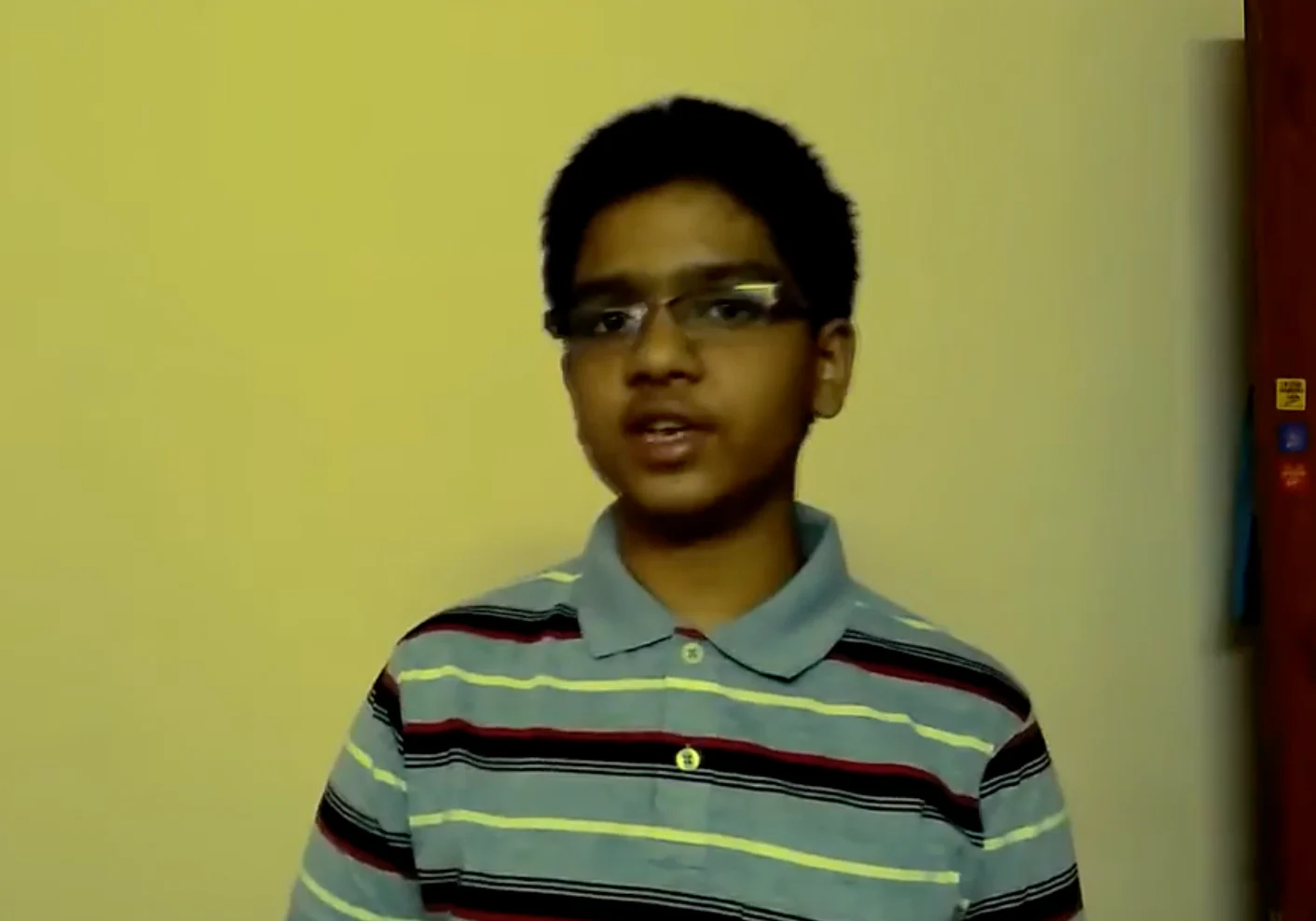
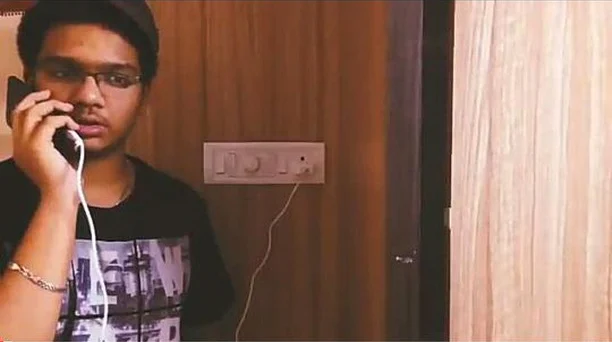
Making tech reviews and tutorials taught me how to explain an idea on camera and edit the steps so someone watching at home could follow along. The channel eventually reached more than 500,000 views.


03College
The college years

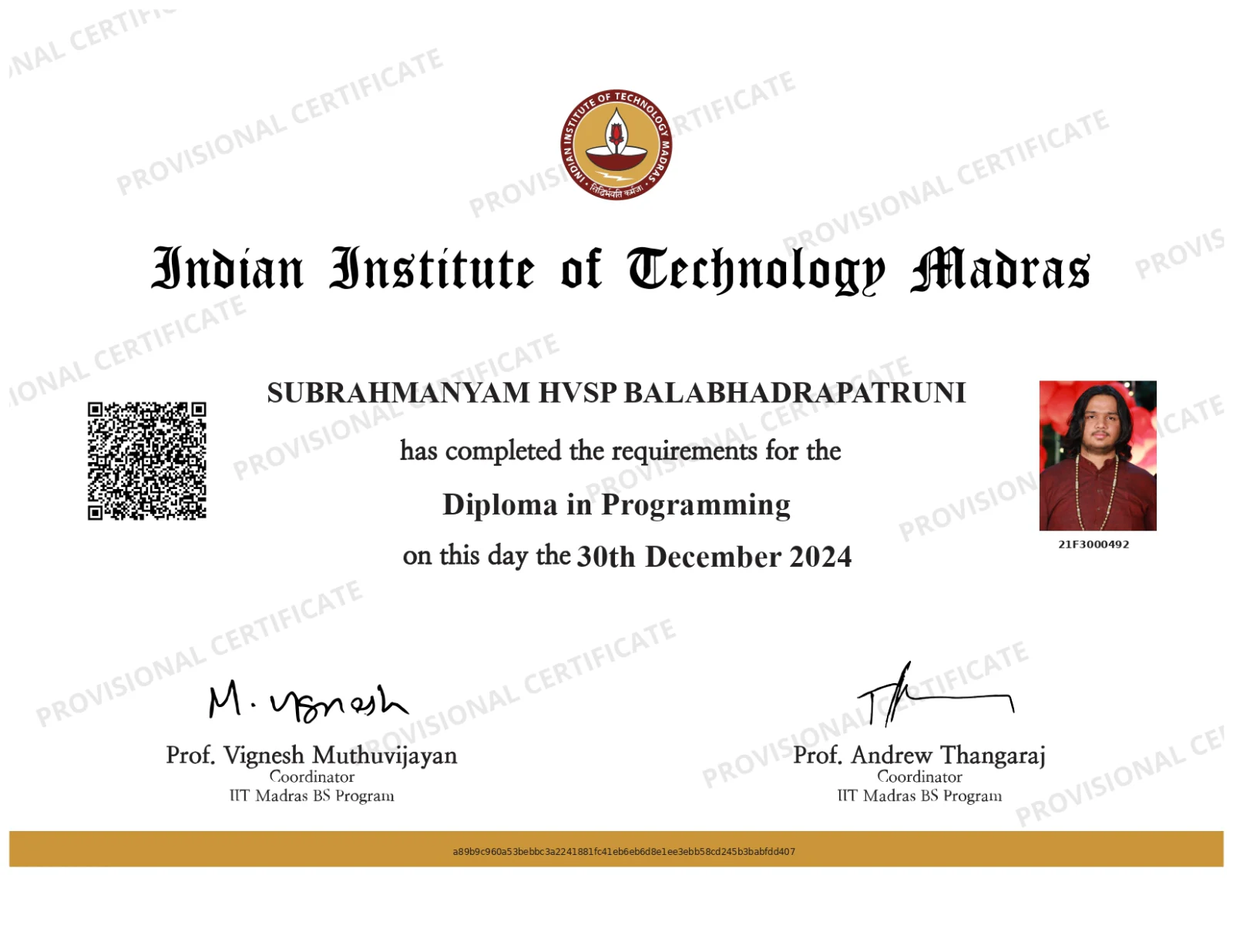
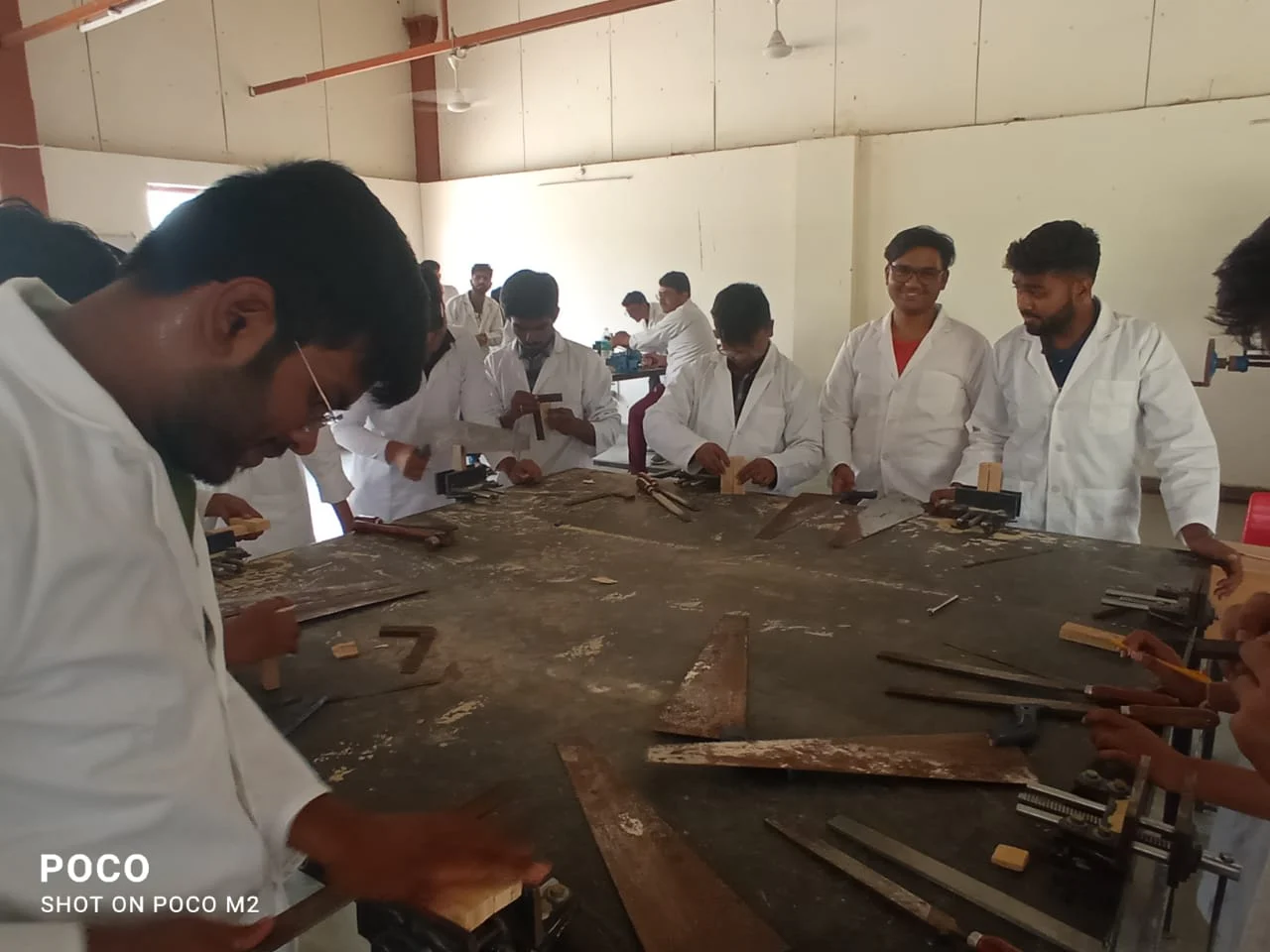
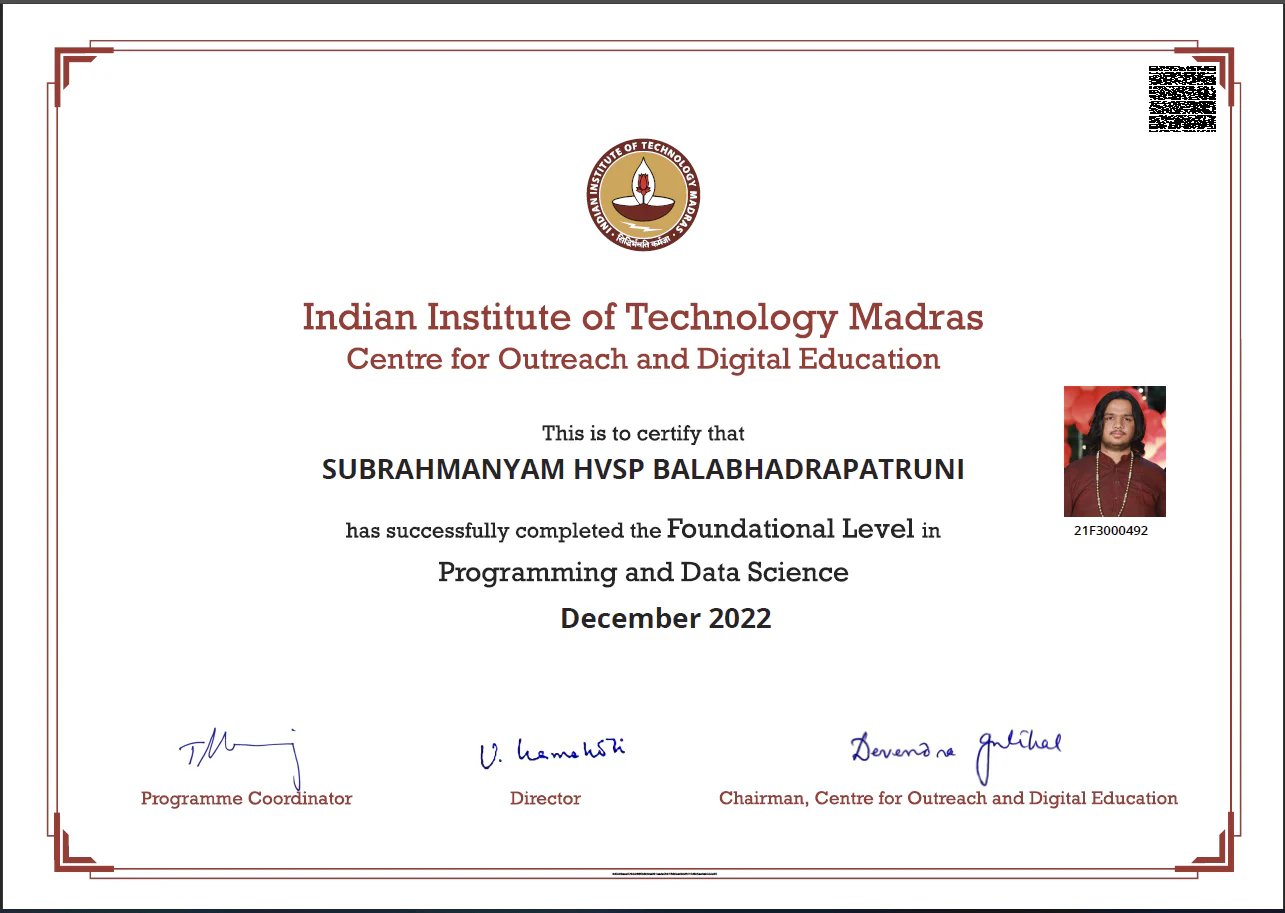
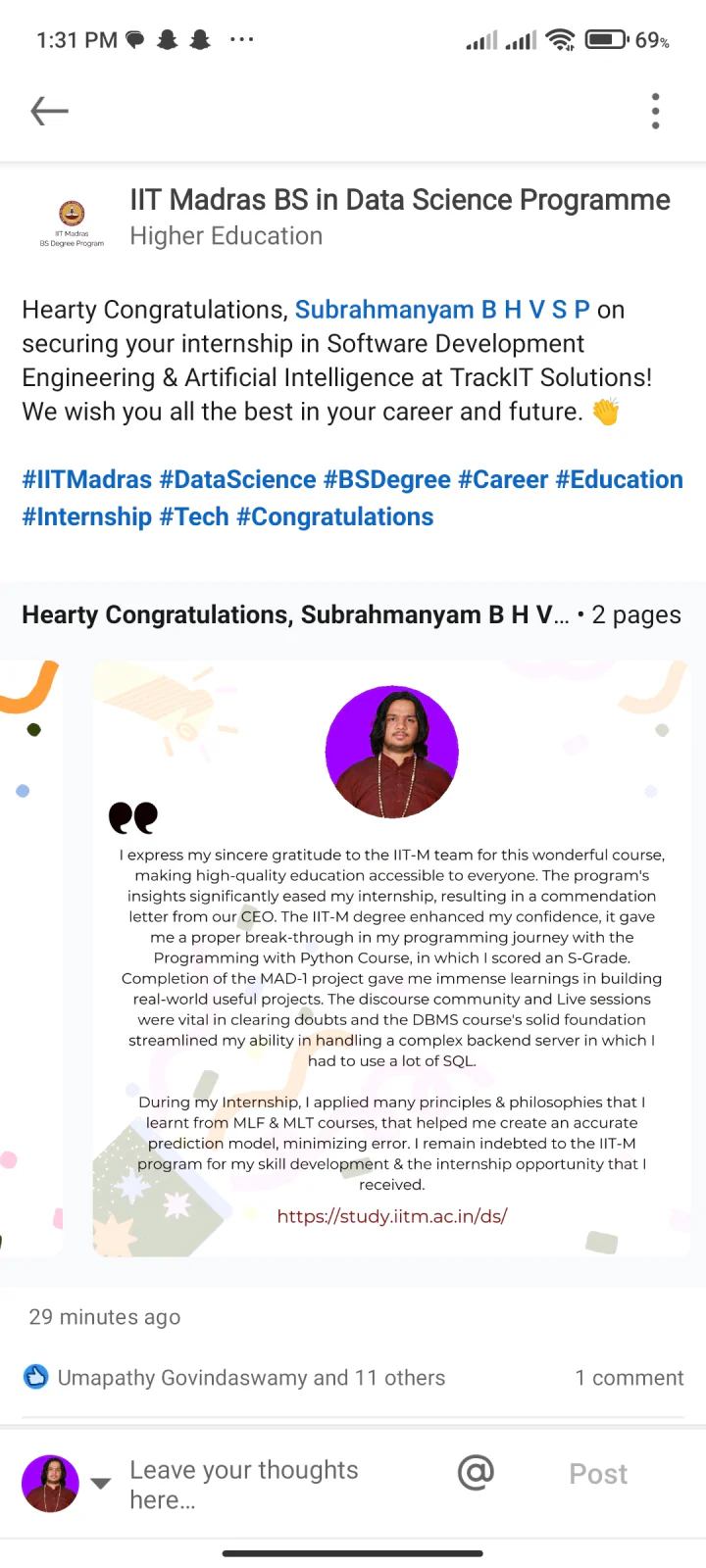
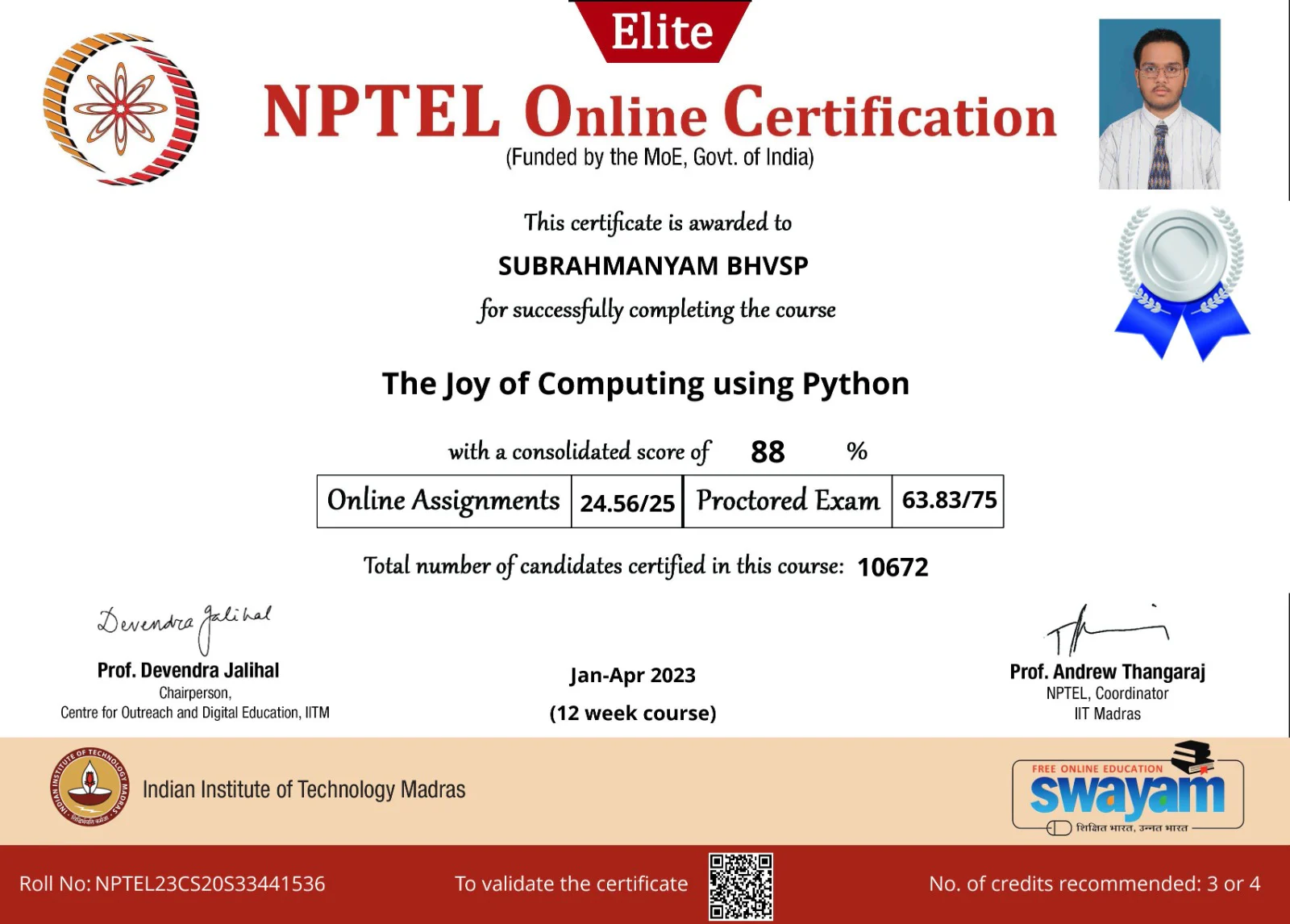
I chose the Central University of Haryana (CUH) for my BTech in Computer Science and Engineering. Its reputation drew me there, and I wanted the experience of living and studying away from home. Alongside my BTech, I earned a Diploma in Programming from IIT Madras. My head of department at CUH and the Dean of Students’ Welfare both wrote letters of recommendation for me.
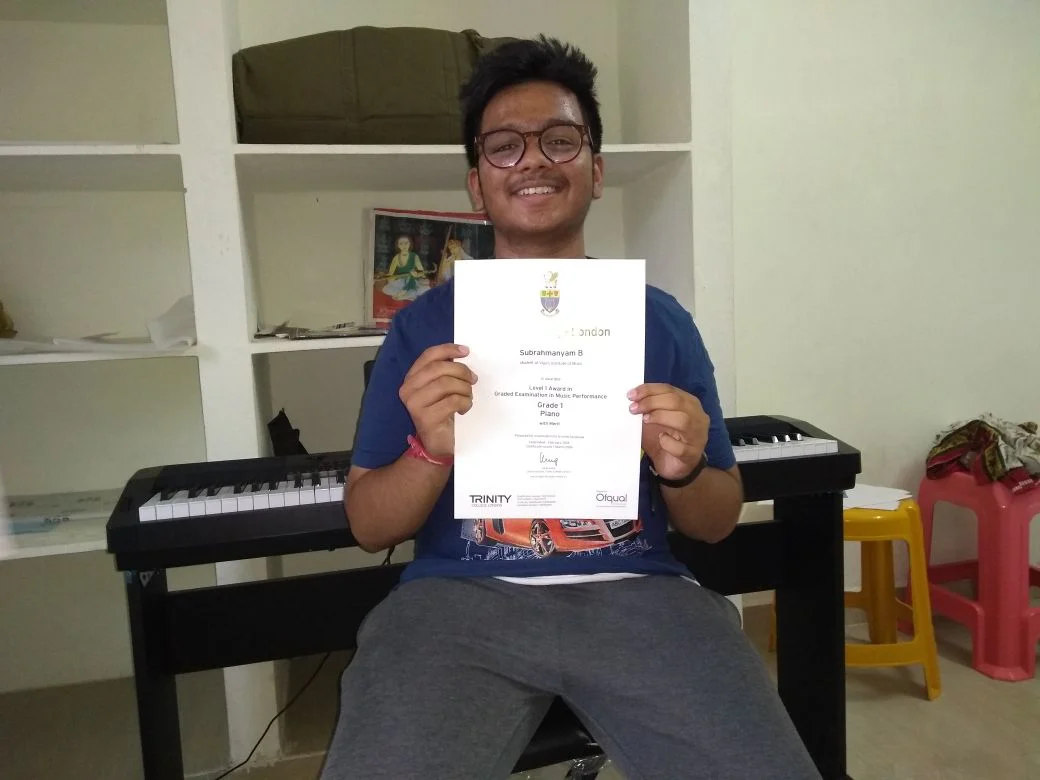
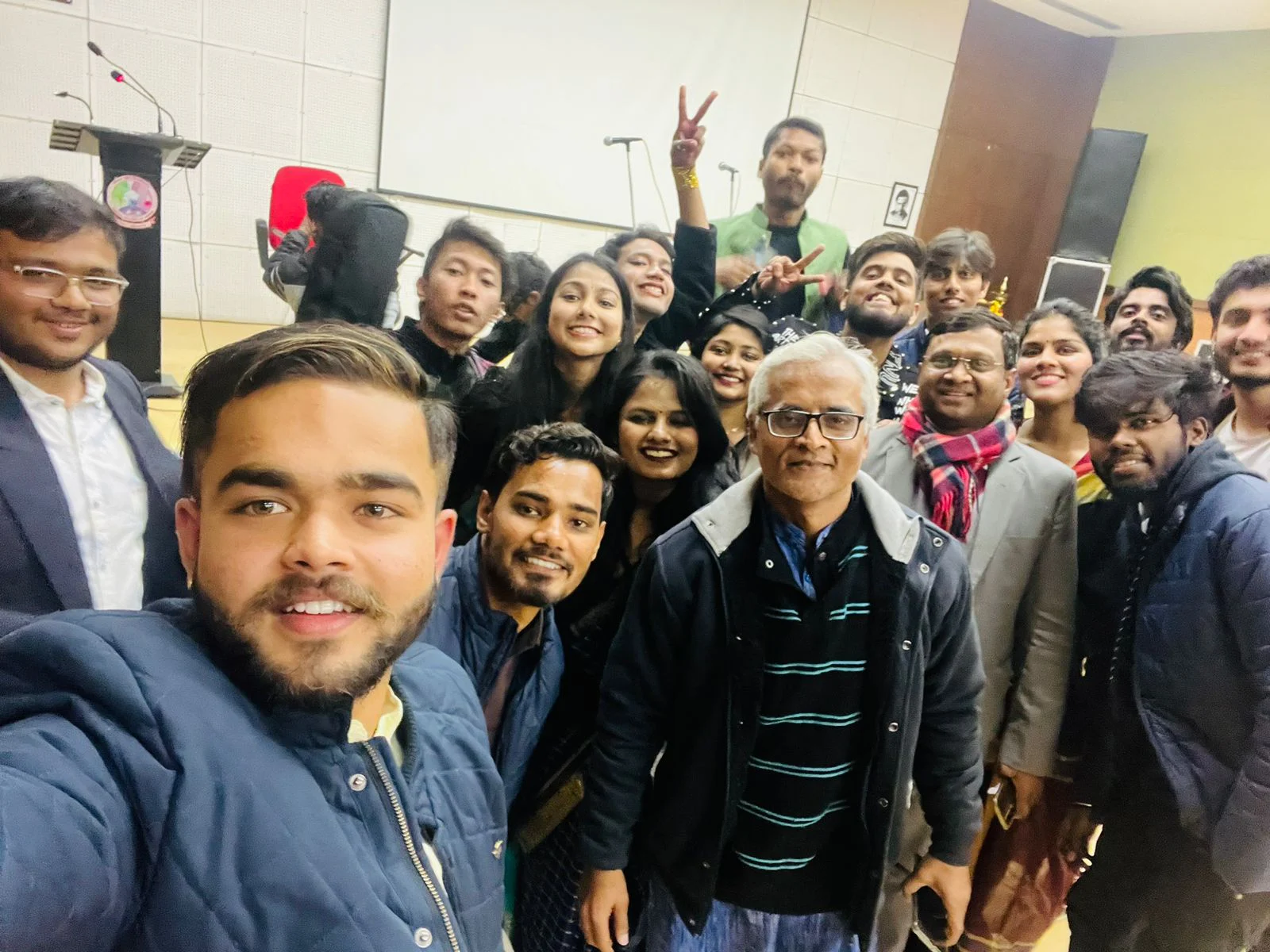
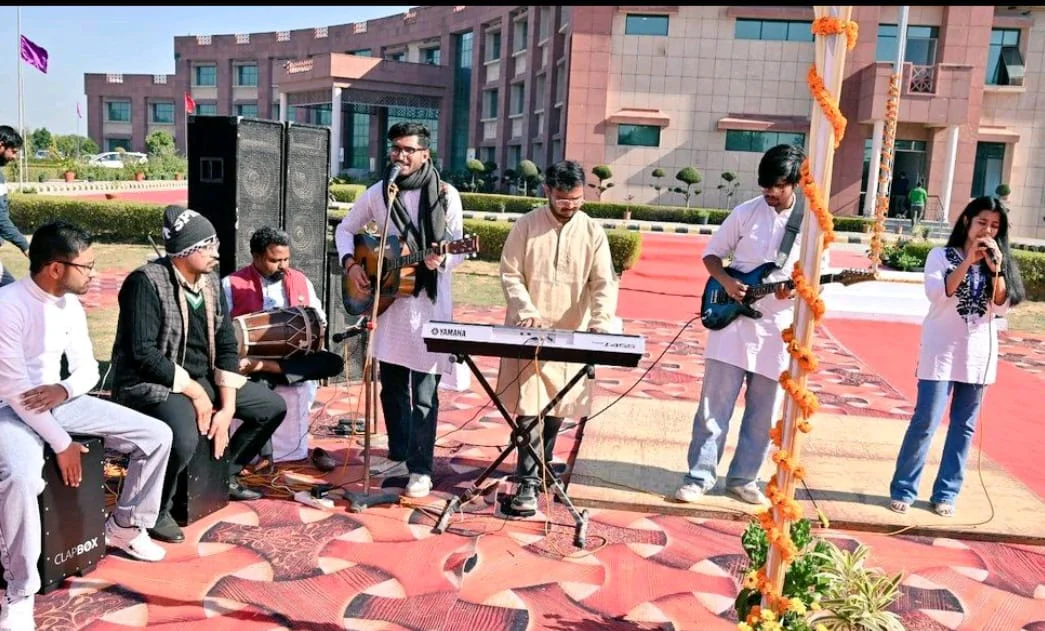
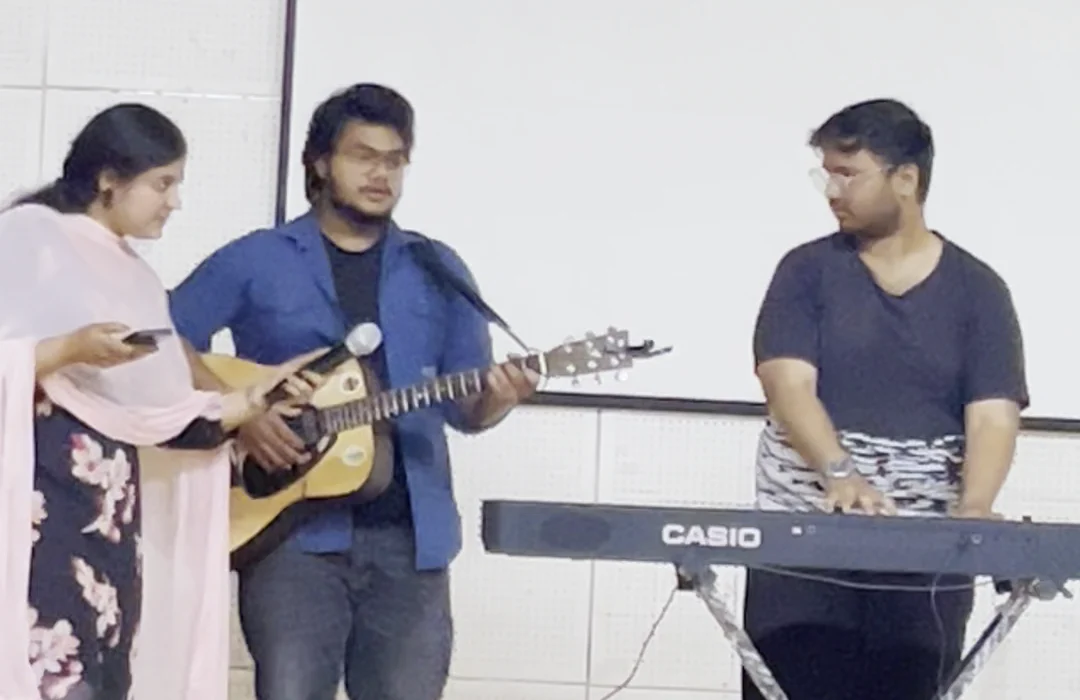
Outside class, I spent most of my time with the university music club. I played at department events and on stage at Spandan, our university festival. Playing music also gave me the chance to represent CUH at the AIU youth festivals.


Campus life and studies



Creative life on campus

When I arrived at CUH, I felt I’d caught the campus music scene at its best. Manjeet Tanwar, the Sufi singer from Dam Saaz, had already won at IIT Bombay’s Mood Indigo, Asia’s largest college cultural festival. I played keyboard alongside him, with Yogesh Sharma on guitar.
We played beside the flag on Republic Day and around a bonfire at the CUH Mallu Family’s musical night. Later, Ashish Thakur sang lead at many of our performances. When I think back on college, I remember how much fun we had making music together.
I also tried theatre. One performance I remember was a skit at an English Department conference.


Music and theatre on campus

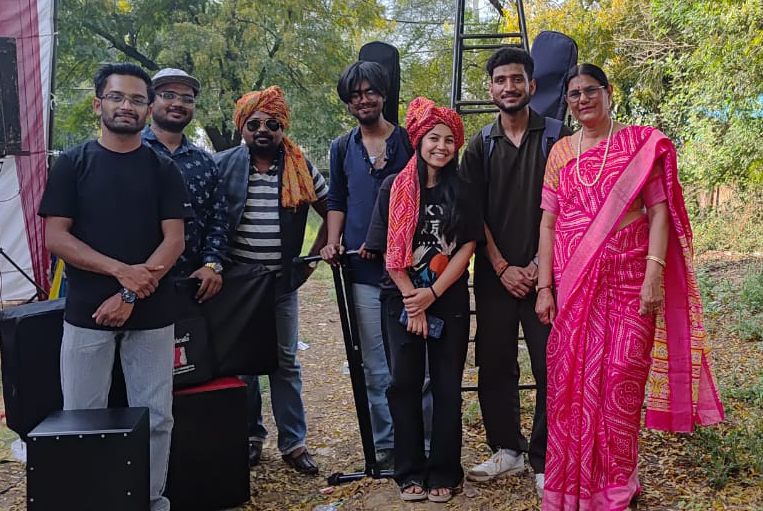
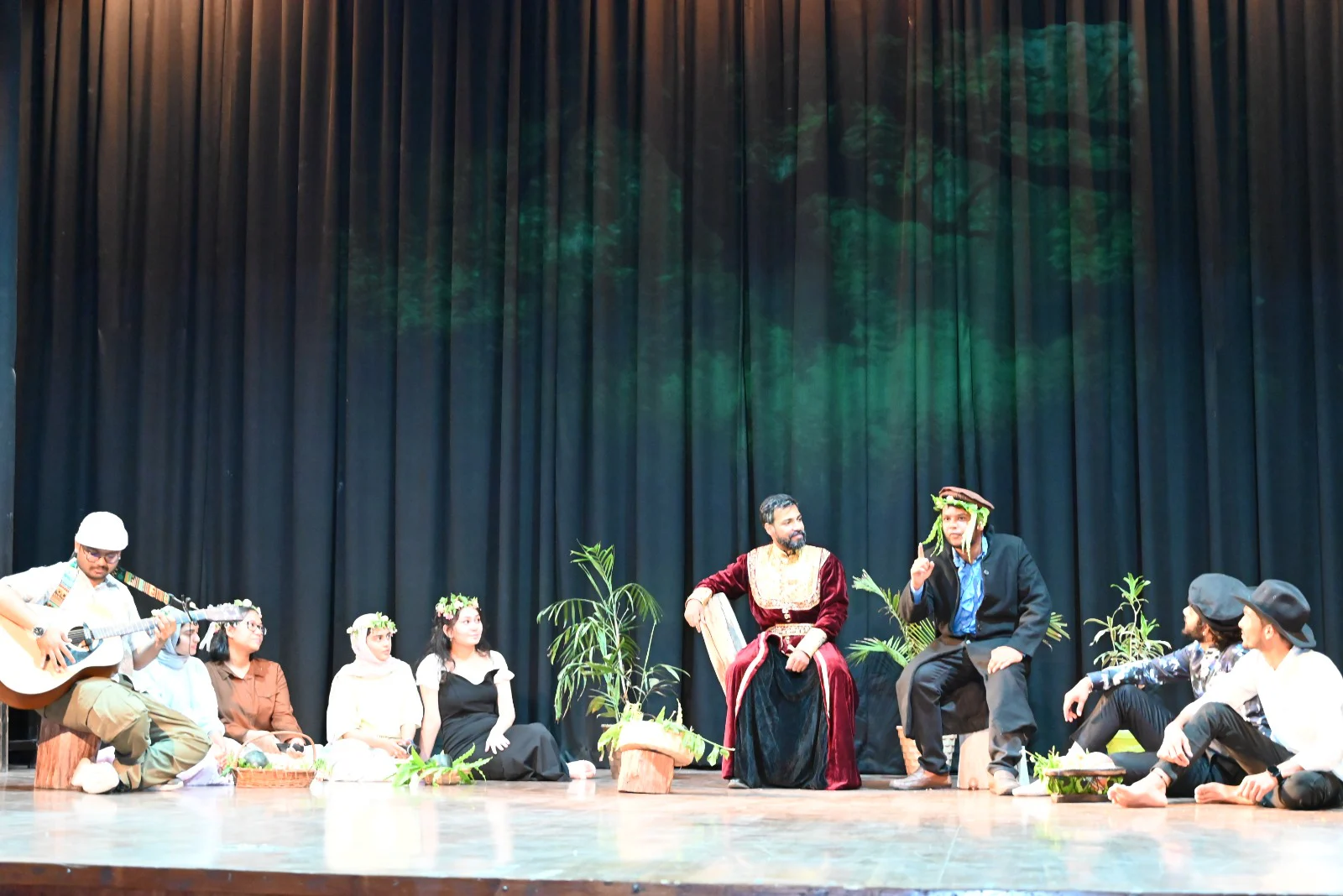
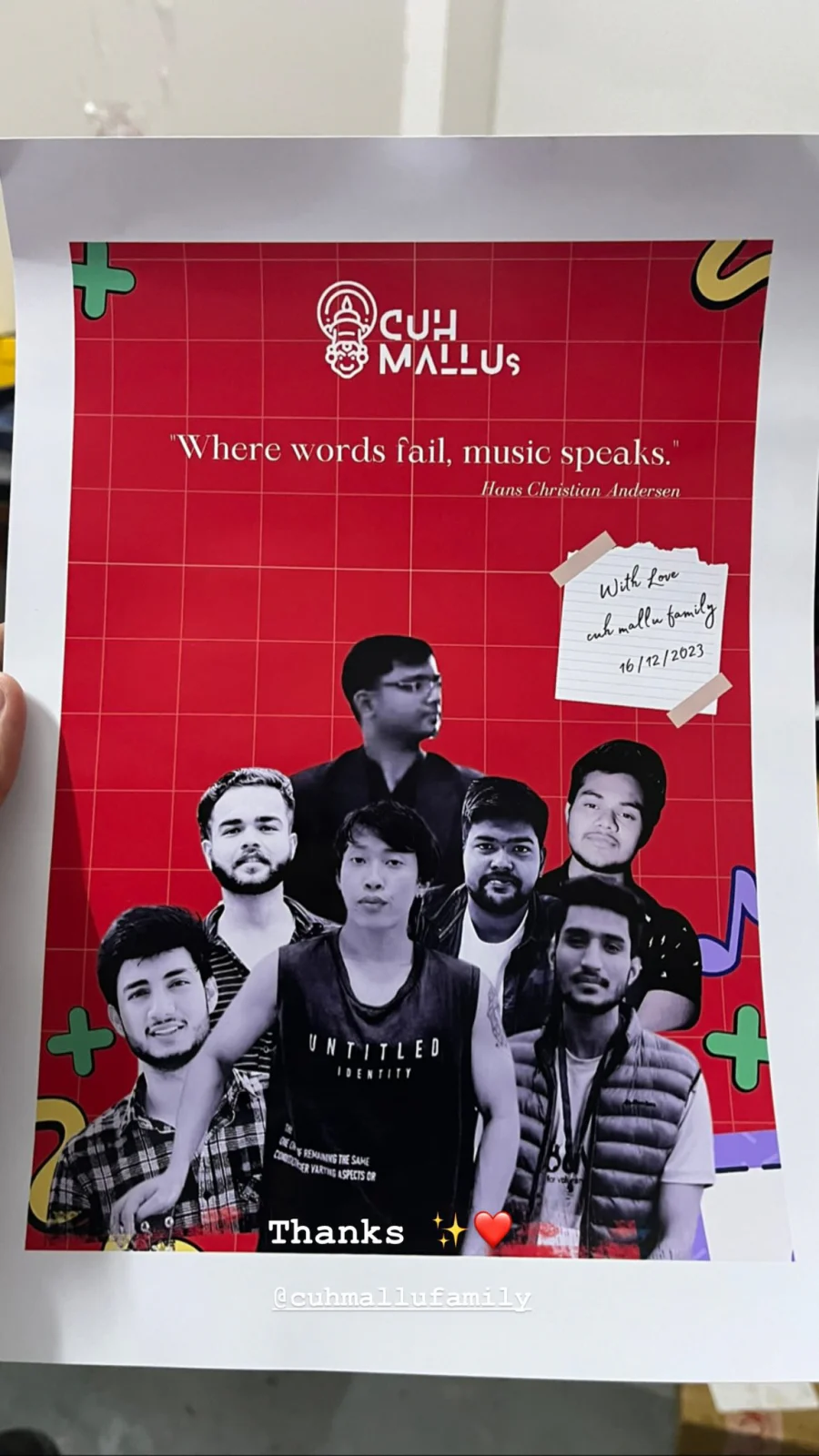
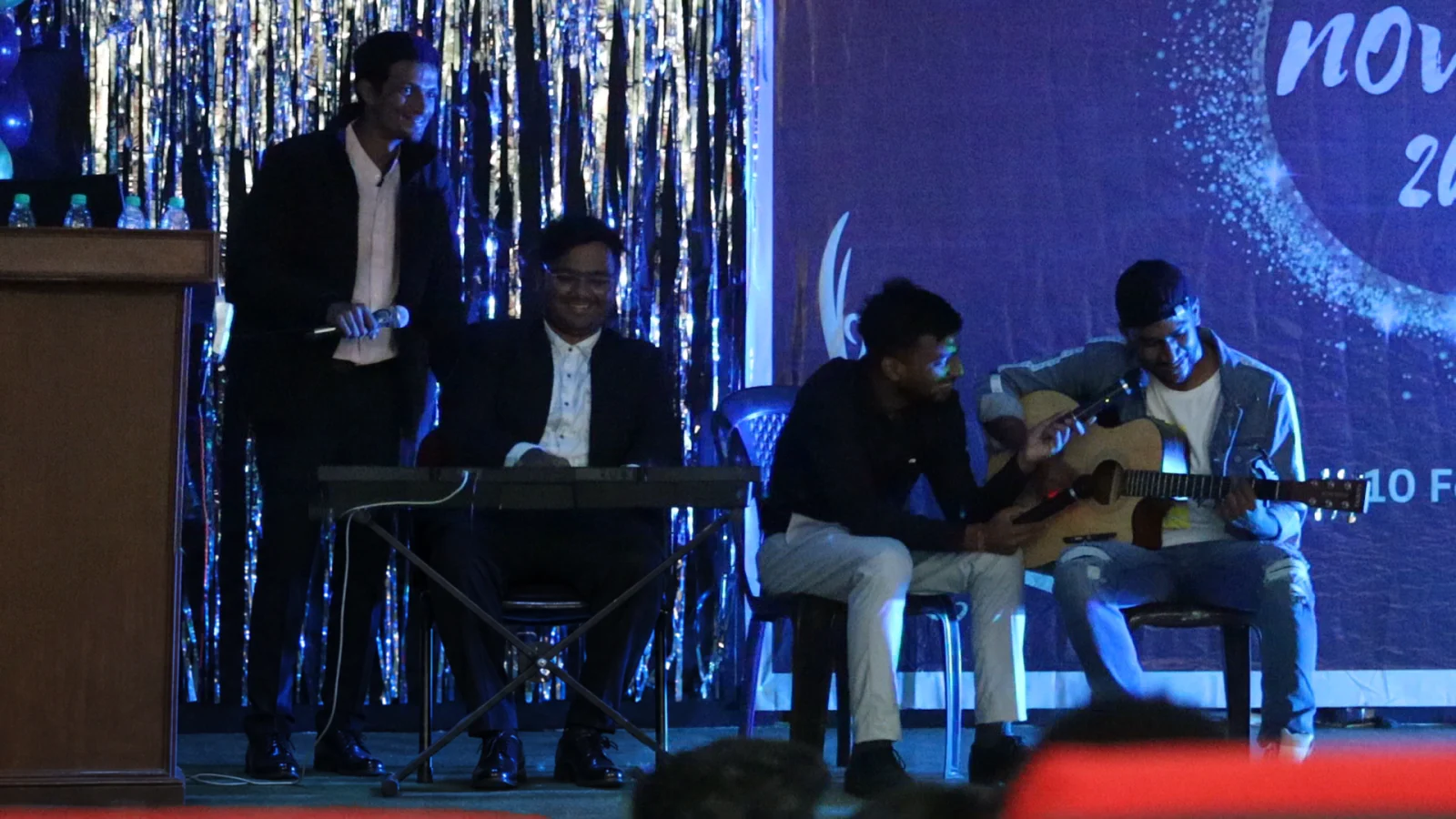
On stage

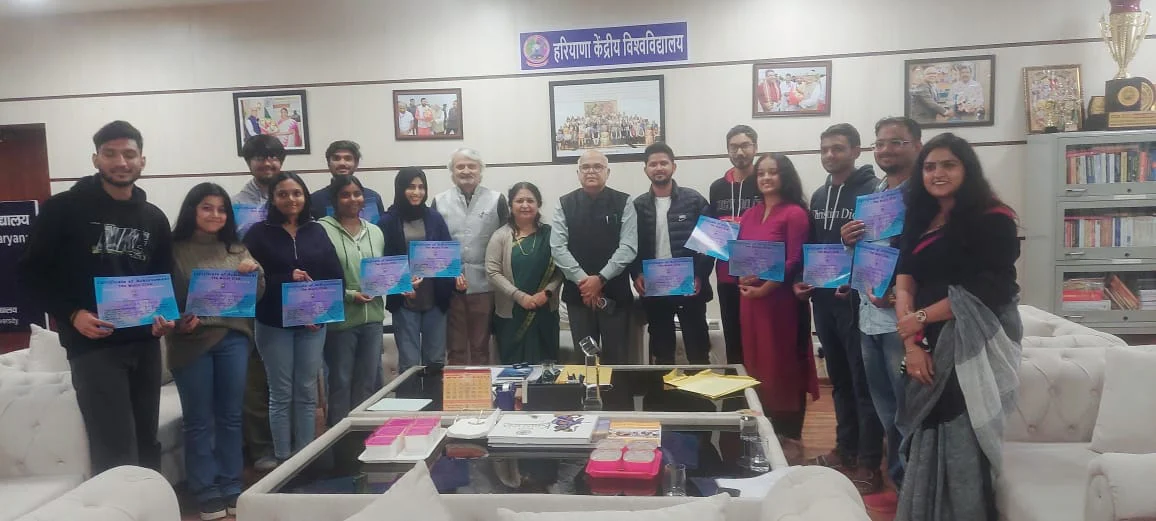
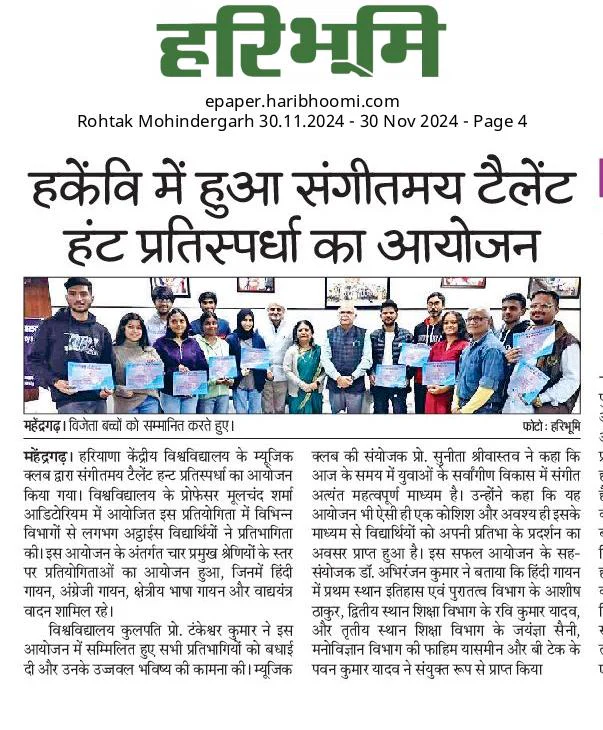
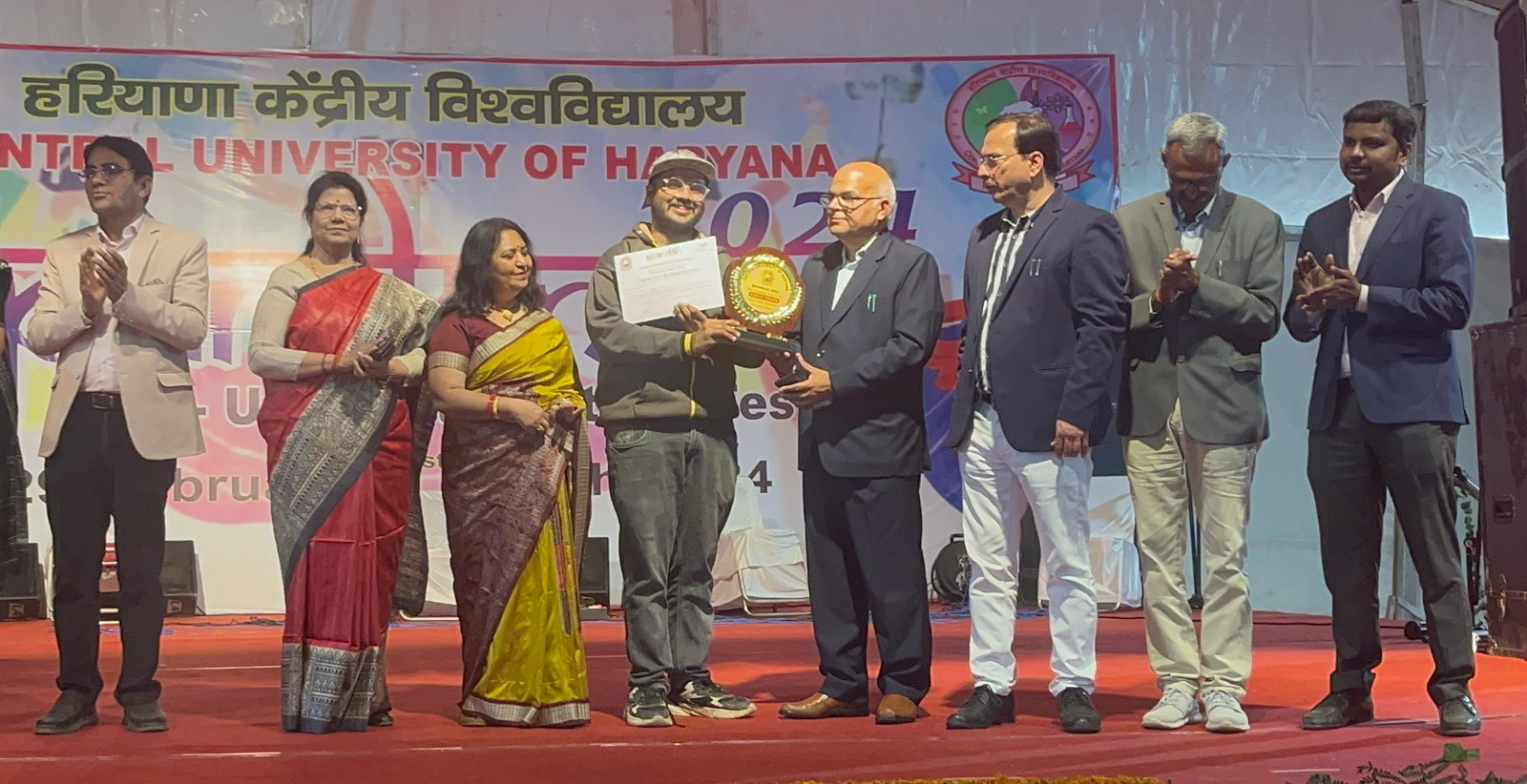
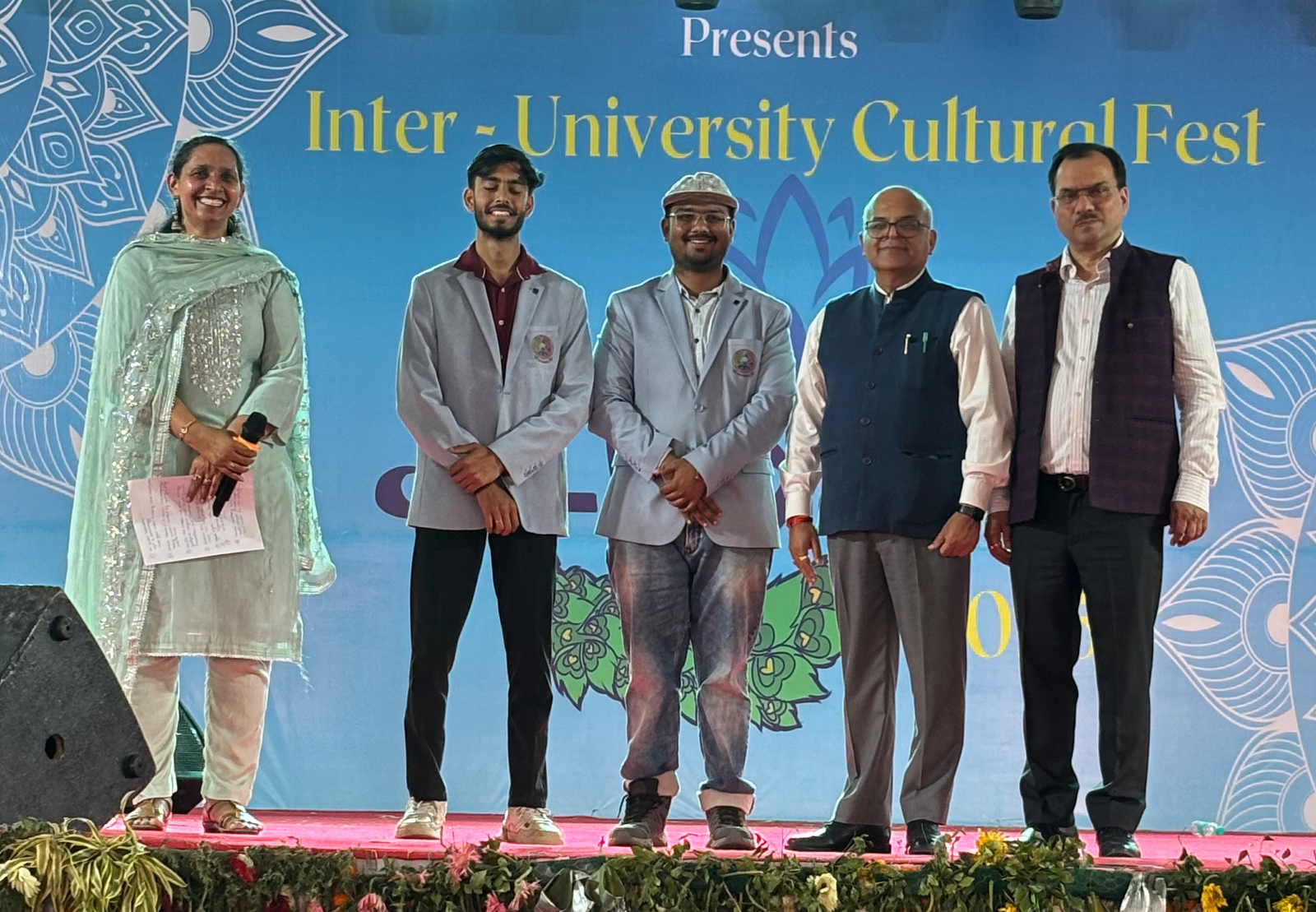
I’ve performed more than 35 songs over the years. At CUH’s Talent Hunt in 2024, I got to sing as well as play. I won first place in both Western singing and Western instrumental. Spandan became an annual fixture for me, from the first-prize trophy in 2023 to the award ceremony in 2024 and second prize in 2025.
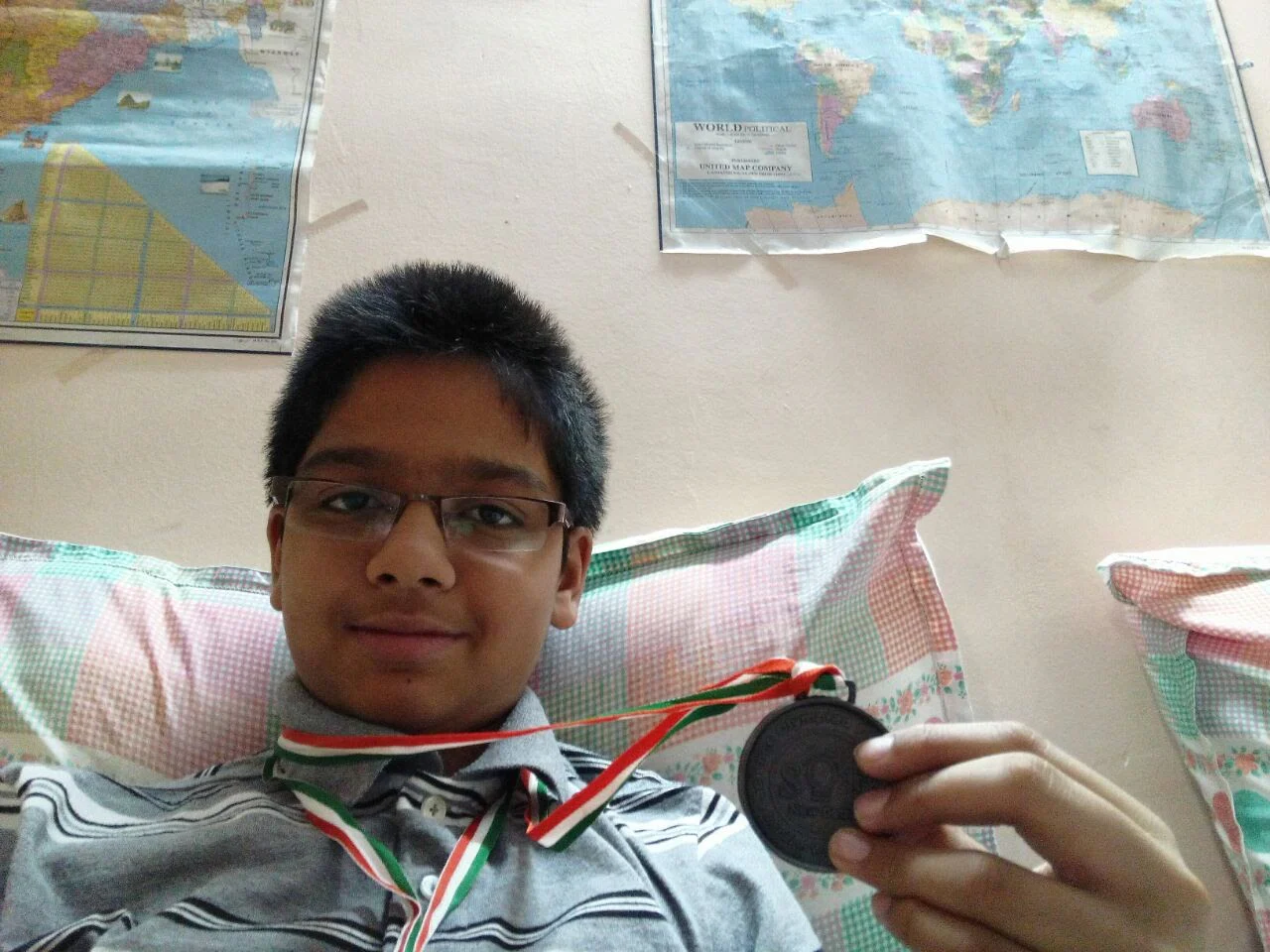
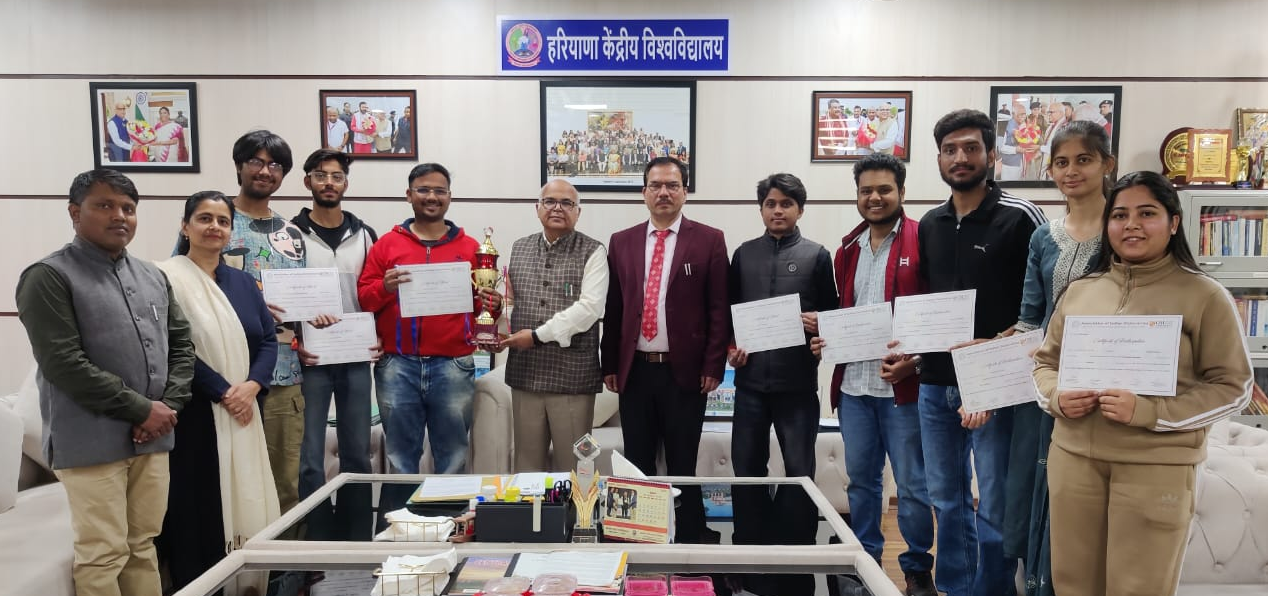
At the 38th AIU youth festivals, I represented CUH in Western Instrumental Solo. I won silver in the North-Western Zone and bronze at the national festival. Sixteen years after CUH was founded in 2009, we brought home the university’s first cup from an AIU youth festival. Back on campus, I got to celebrate the medal with our Vice-Chancellor, Prof. Tankeshwar Kumar.
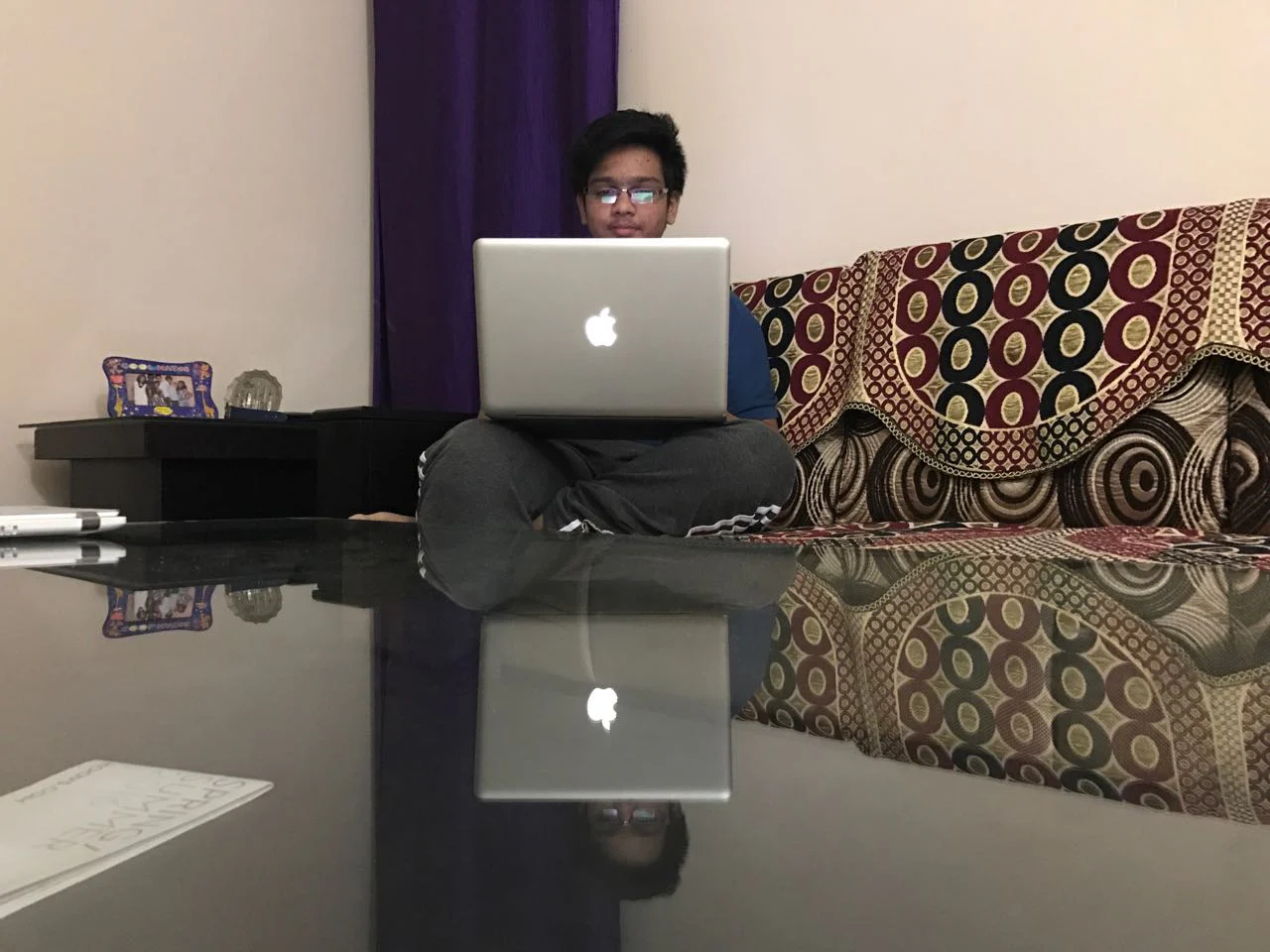
Between performances, I kept making music at home with my keyboard and laptop. I started using FL Studio in the summer of eighth grade and have kept exploring digital audio workstations and VST plugins. Piano is still the instrument I play most. I pick up the guitar now and then, too.
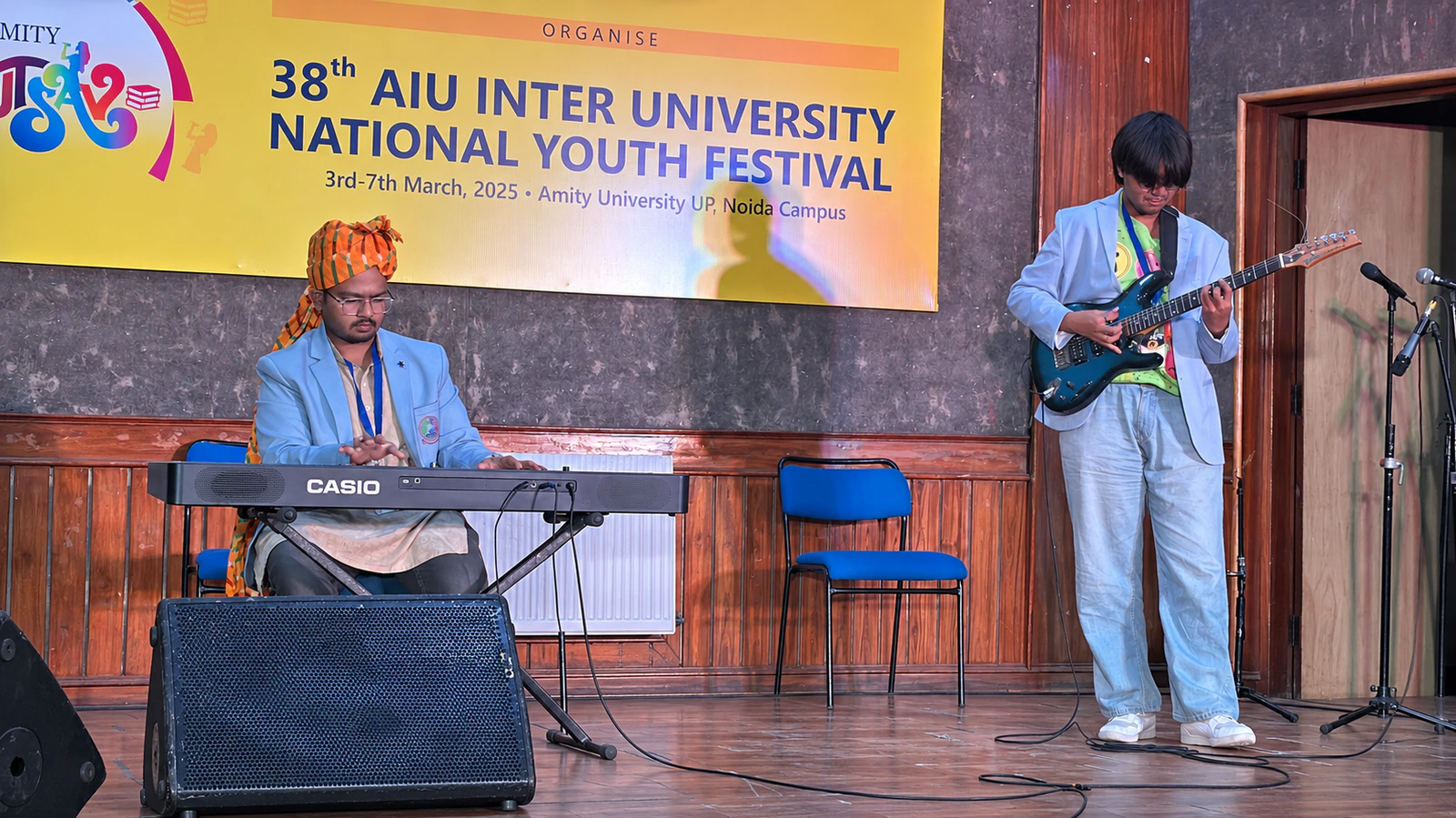

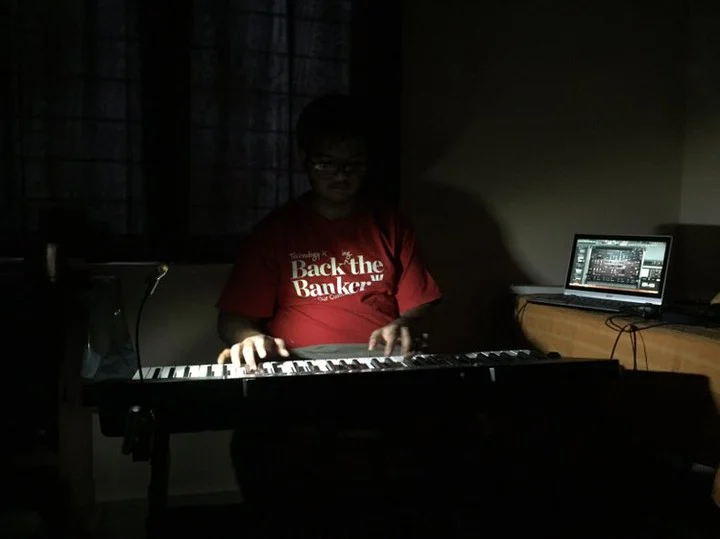
Performances and awards
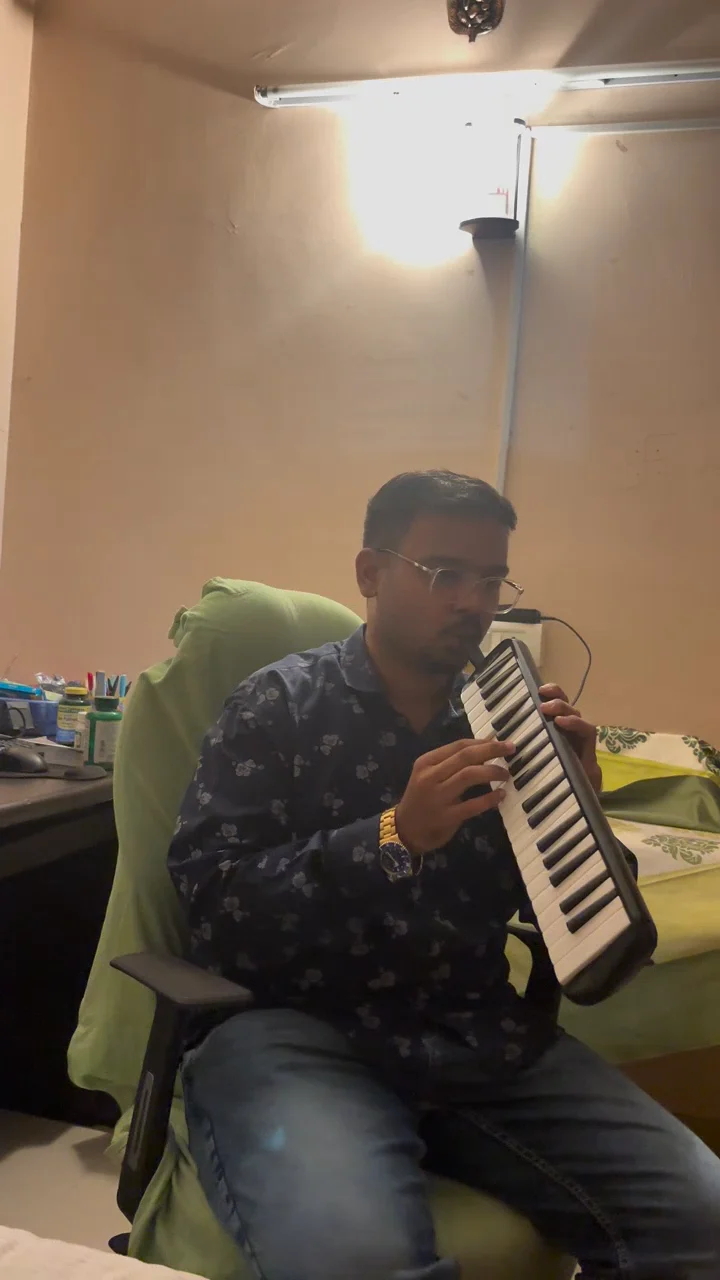
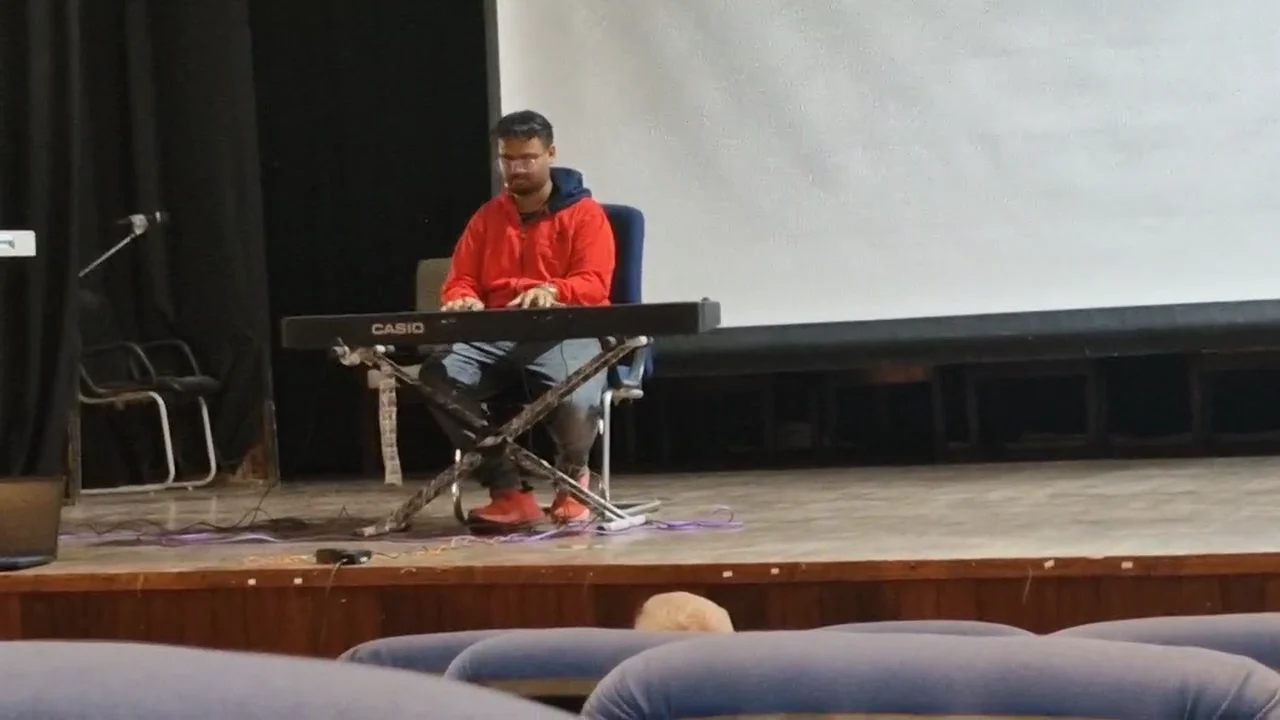






From STPHD to freelance photography and video editing
Early in college, the editing skills I’d picked up making STPHD tutorials became part of my freelance work. I edited videos for Jellysmack, a company based in New York City, and took photographs for Optiply, a firm based in the Netherlands.
I cut footage in Adobe Premiere Pro, use After Effects for motion graphics and compositing, and work on audio in Audition. For visual work I use Photoshop and Illustrator, and I’ve spent some time learning Blender.
04Astrology
Why I started studying astrology
During the pandemic, before I ever thought about building astrology software, my mother and grandmother were both being treated for COVID-19. A close friend who had begun studying astrology predicted how many days it would take for each of them to be discharged.
Until then, I’d dismissed astrology. When those timings matched what happened, I wanted to understand how my friend had arrived at them. I started thinking about the direction my own life might take, too.


On both sides of a consultation
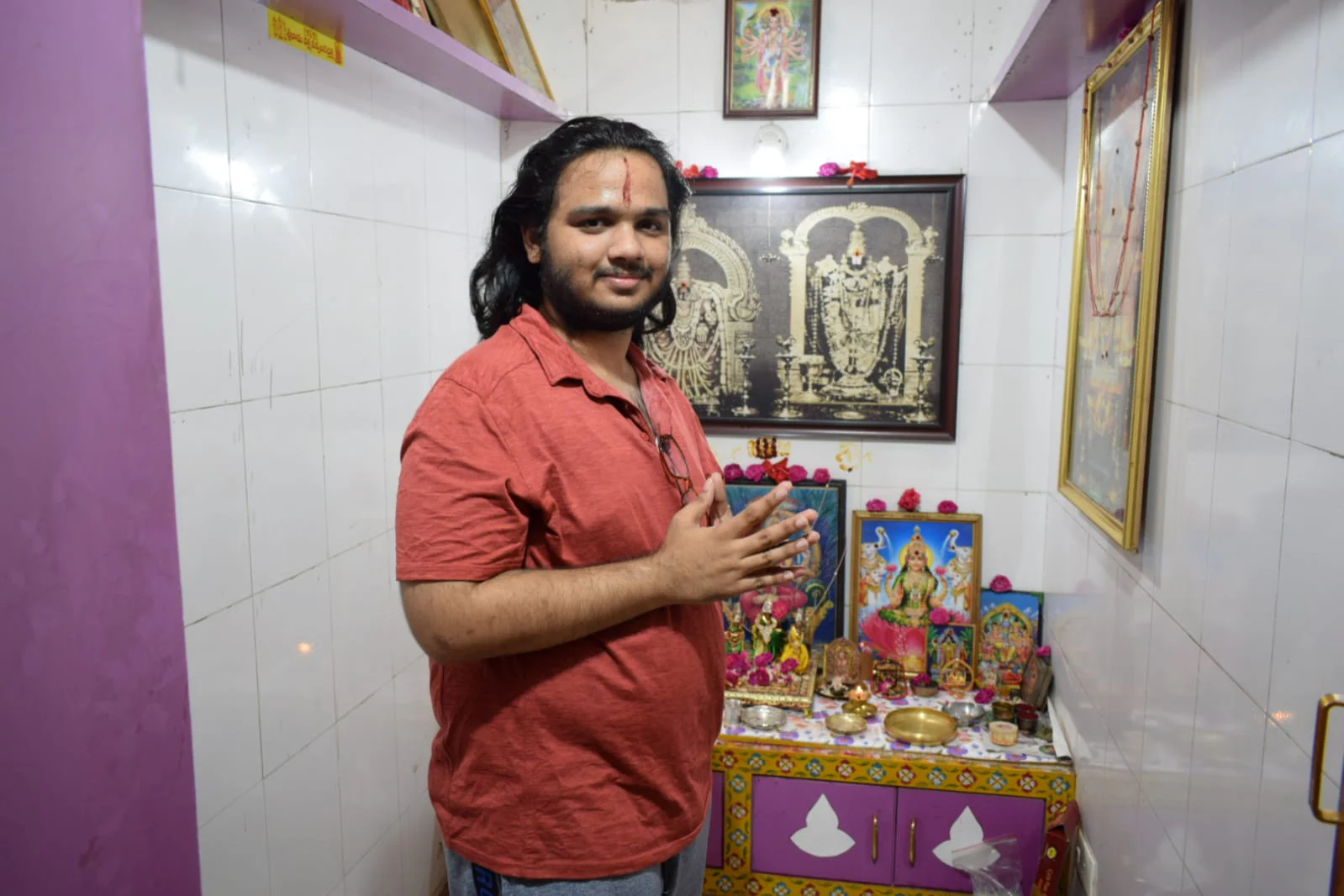
I went on to study astrology formally and earned my certification through the Indian Council of Astrological Sciences.
As a kid, I knew I wanted to work with computers. Years later, I still wondered what kind of work I’d actually end up doing. I consulted many astrologers and spent thousands of rupees looking for an answer. Each time, I came home with that question still open.
When I began giving consultations myself, people told me how happy they were with their readings. Their feedback made me think about my own experience. I wondered how many thousands of people had gone looking for guidance and come away with questions they still wanted to ask. Could I use what I’d learned to give them a place to keep that conversation going?
05Magnocode
Building Magnocode
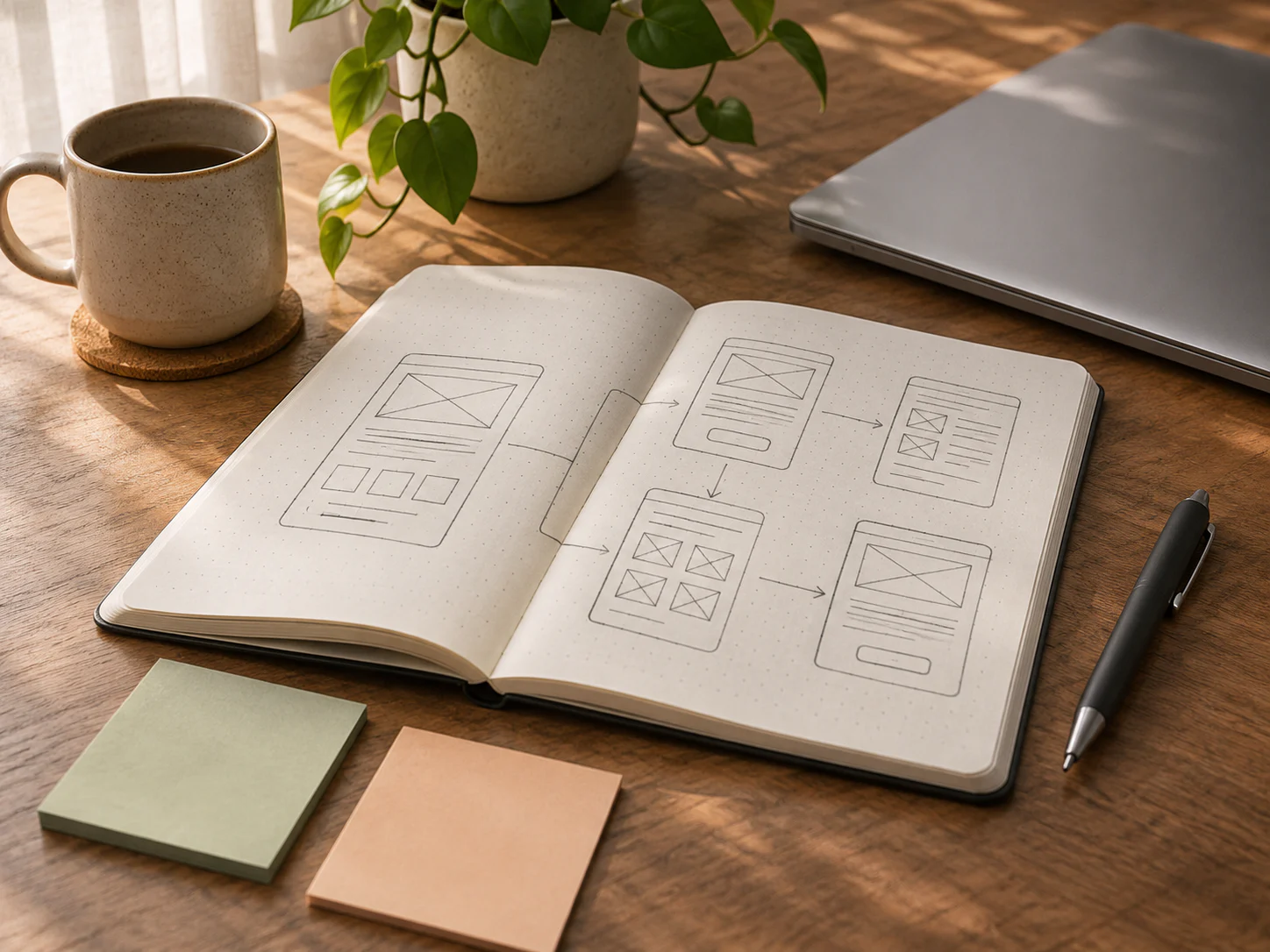
Towards the end of college, I built my first astrology website, vedicastrologyai.com. Over time, that one project grew into two products. The idea for magicastro.ai came directly from those consultations. Someone could ask about their career in their own words, explore how the interpretation related to their chart, and ask the follow-up that mattered to them.
Maghā Astro AI grew out of the hours I spent reading charts myself. The astrology software with the features I wanted was expensive, and many of the popular programs I tried felt dated. I wanted one workspace for comparing charts and studying planetary periods, whether I was at my desk or had only my phone with me. That’s why I built Maghā to work across platforms.
Today, I develop both products through Magnocode Tech Private Limited, the company I co-founded. I also build websites and software for clients.


06AI Research
Finding my way into AI research
While I was getting Magnocode off the ground in my fourth year of college, my supervisor encouraged me to study online proctoring. I built a prototype that tracked gaze and head position with a webcam. That work led to my first two journal papers, published in 2024 and 2025.
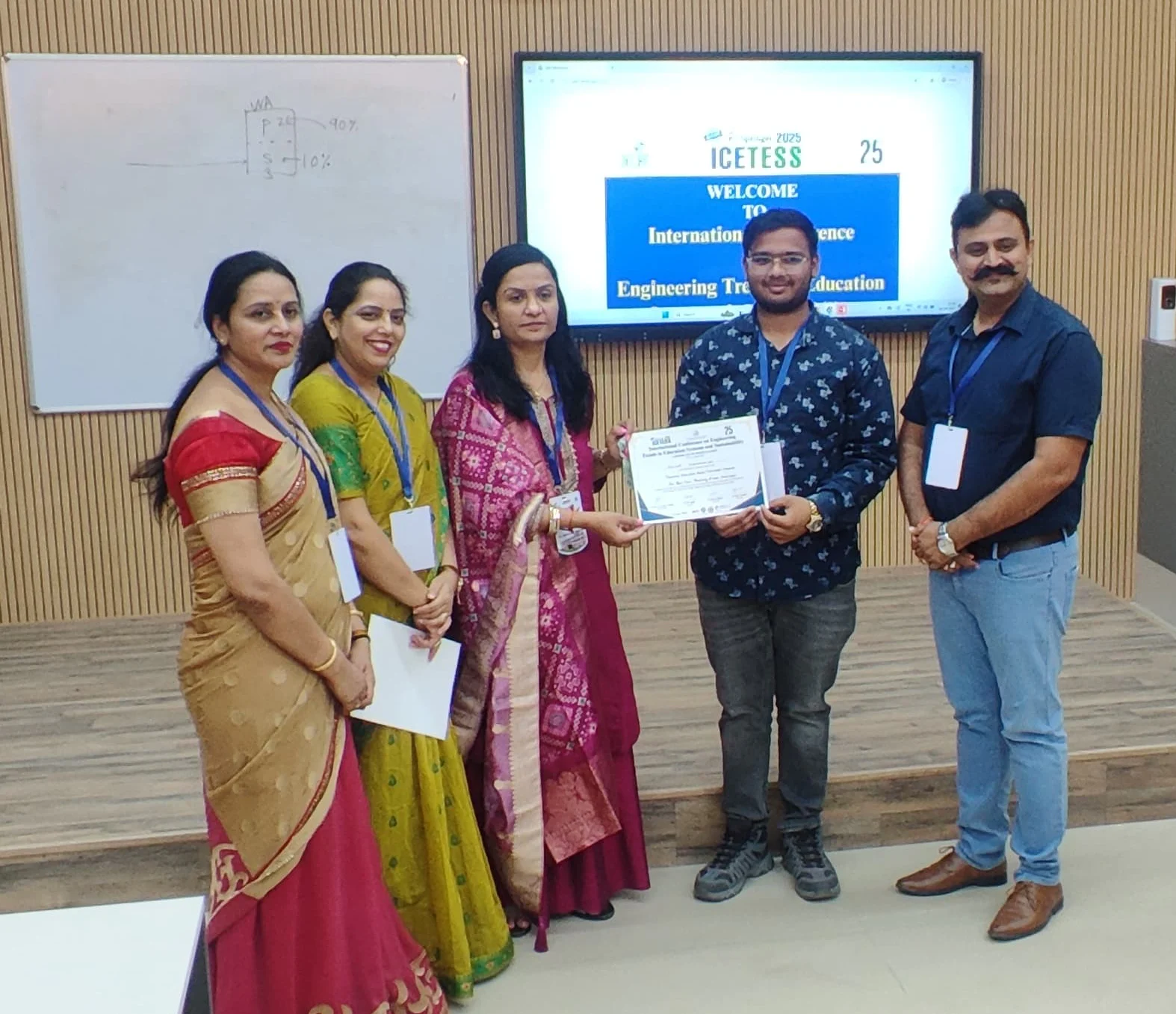
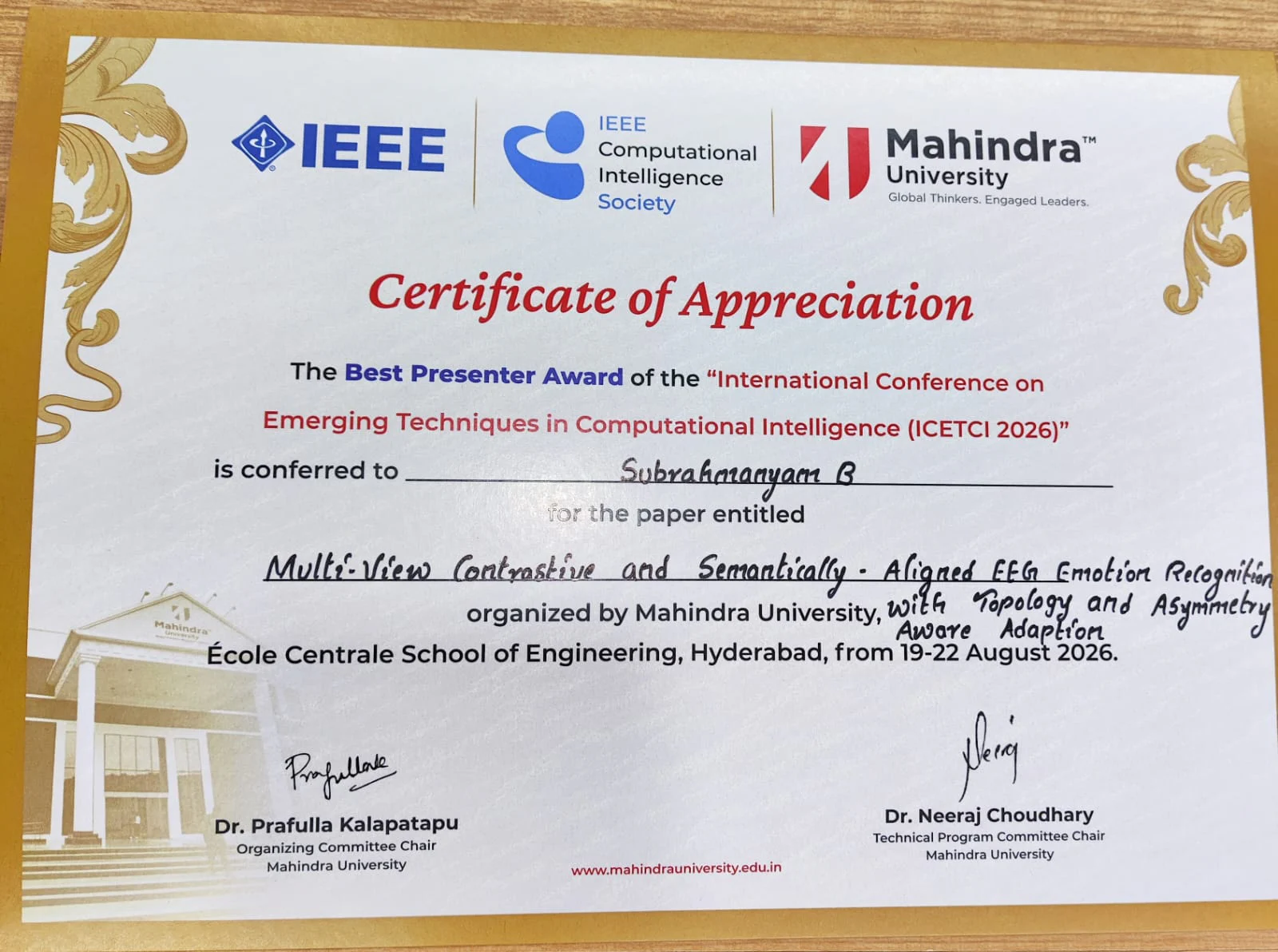
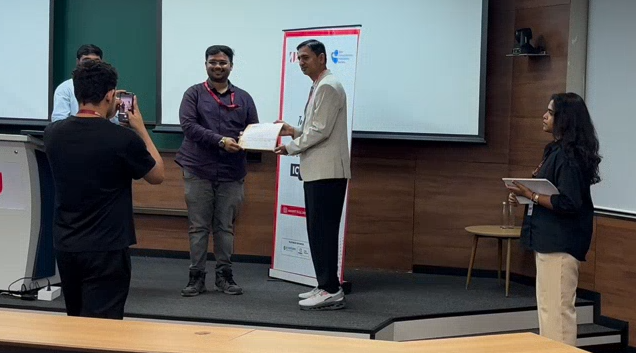
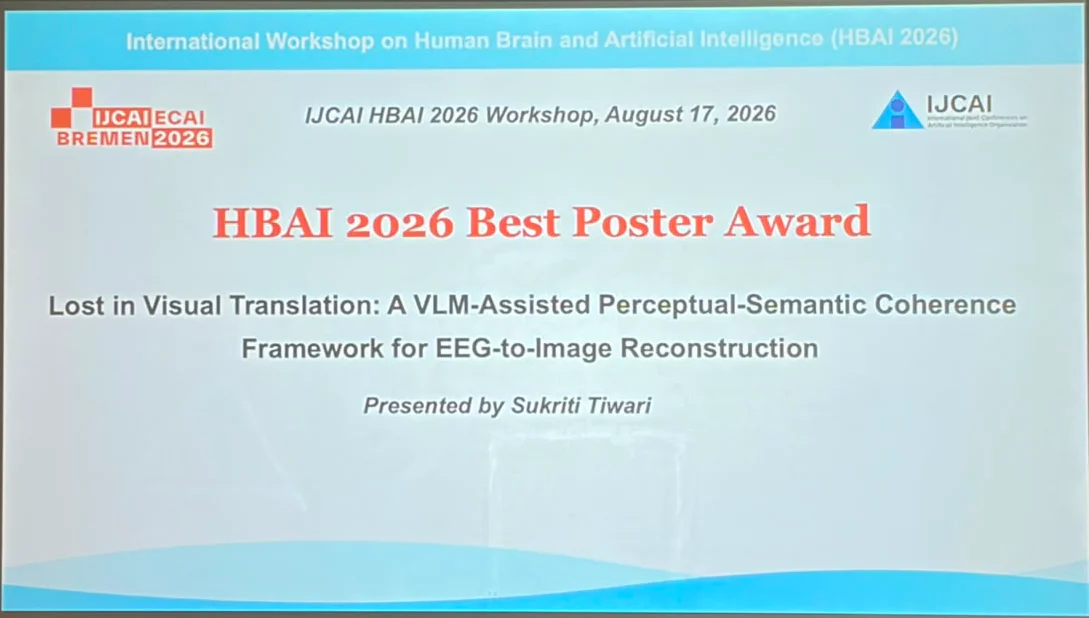
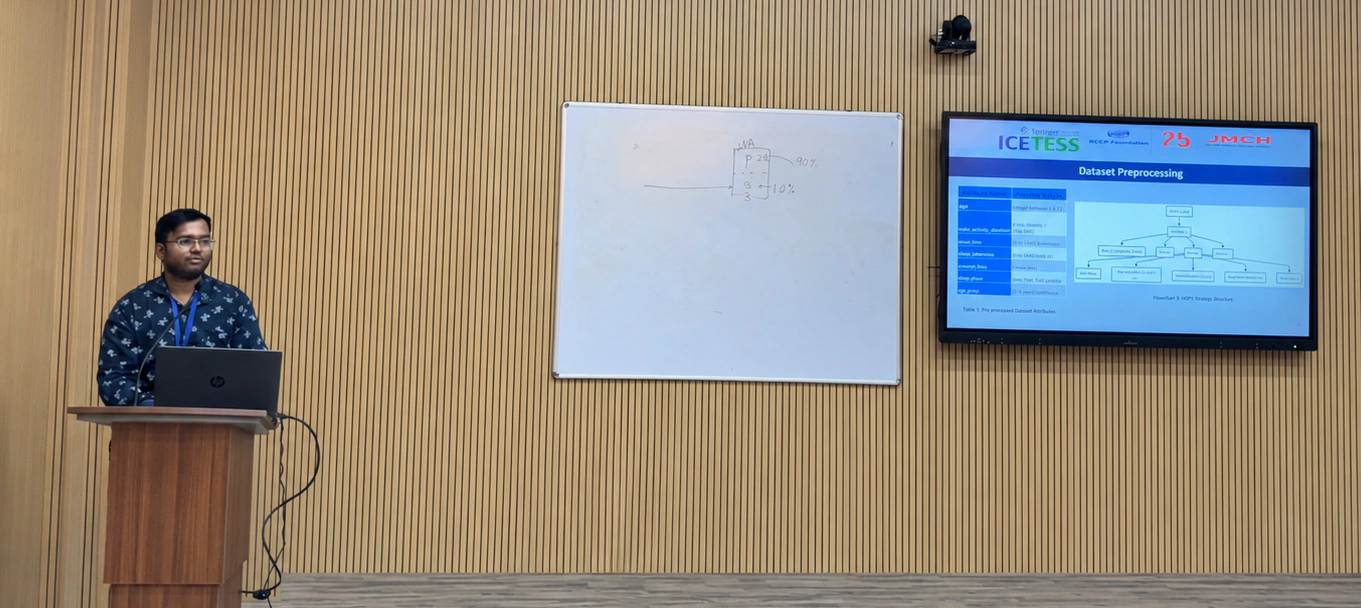
I joined Mahindra University as a Junior Research Fellow in October 2025. In 2026, I co-authored 15 conference and workshop papers. We published two studies on locating landmarks in skull X-rays at the IEEE International Symposium on Computer-Based Medical Systems. I won Best Presentation at ICETCI for our work on recognising emotion from brain signals. Our study of images reconstructed from those signals won Best Poster at IJCAI–ECAI’s Human Brain and Artificial Intelligence workshop.
I led FLARE with Dr. Neeraj Choudhary to test how AI agents would restore power with incomplete grid readings. In simulation, 96.4% of the actions our safety check blocked would have violated a grid operating limit. The AI Foundations for Power Grids workshop at NeurIPS selected our paper for an oral presentation.
At Mahindra, I mentor student teams in computer vision, language processing, and AI agents. Most of the projects I’ve supervised have led to publications. I’ve also spoken at Osmania University about using AI in course design. What I couldn’t have pictured at that Pentium 4 was how much I’d enjoy doing research with a team, from designing an experiment together to hearing a student explain what we found.

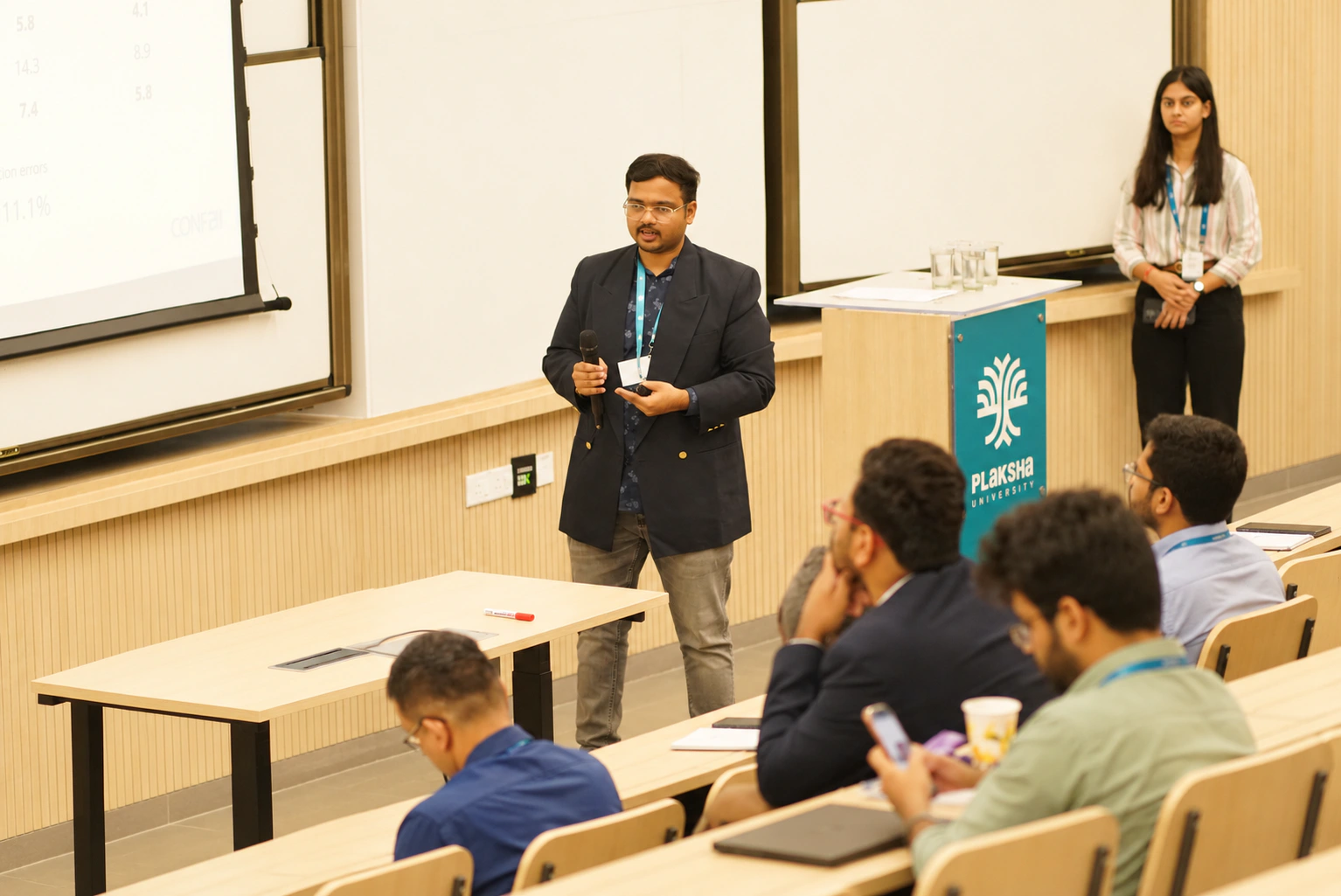
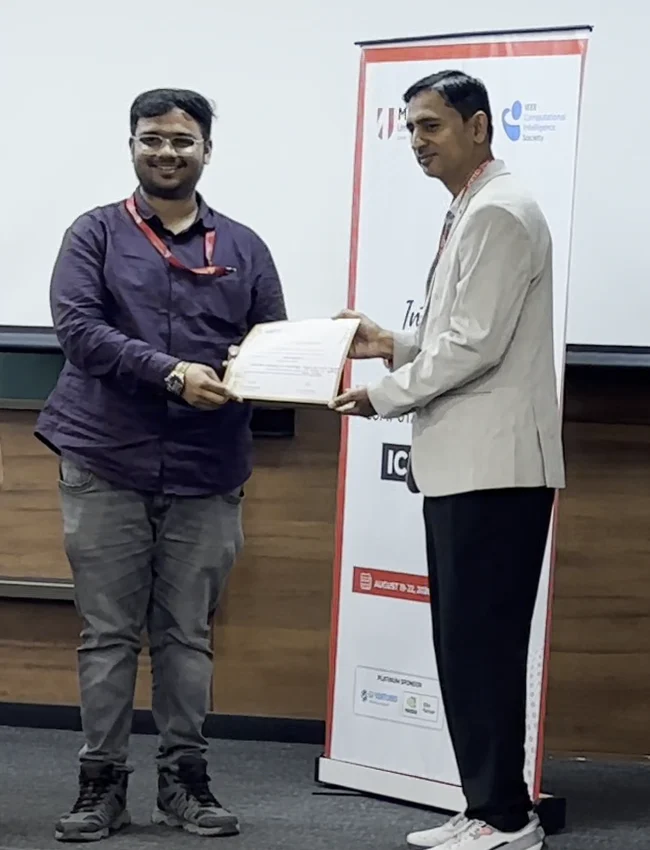
Conference photographs